English
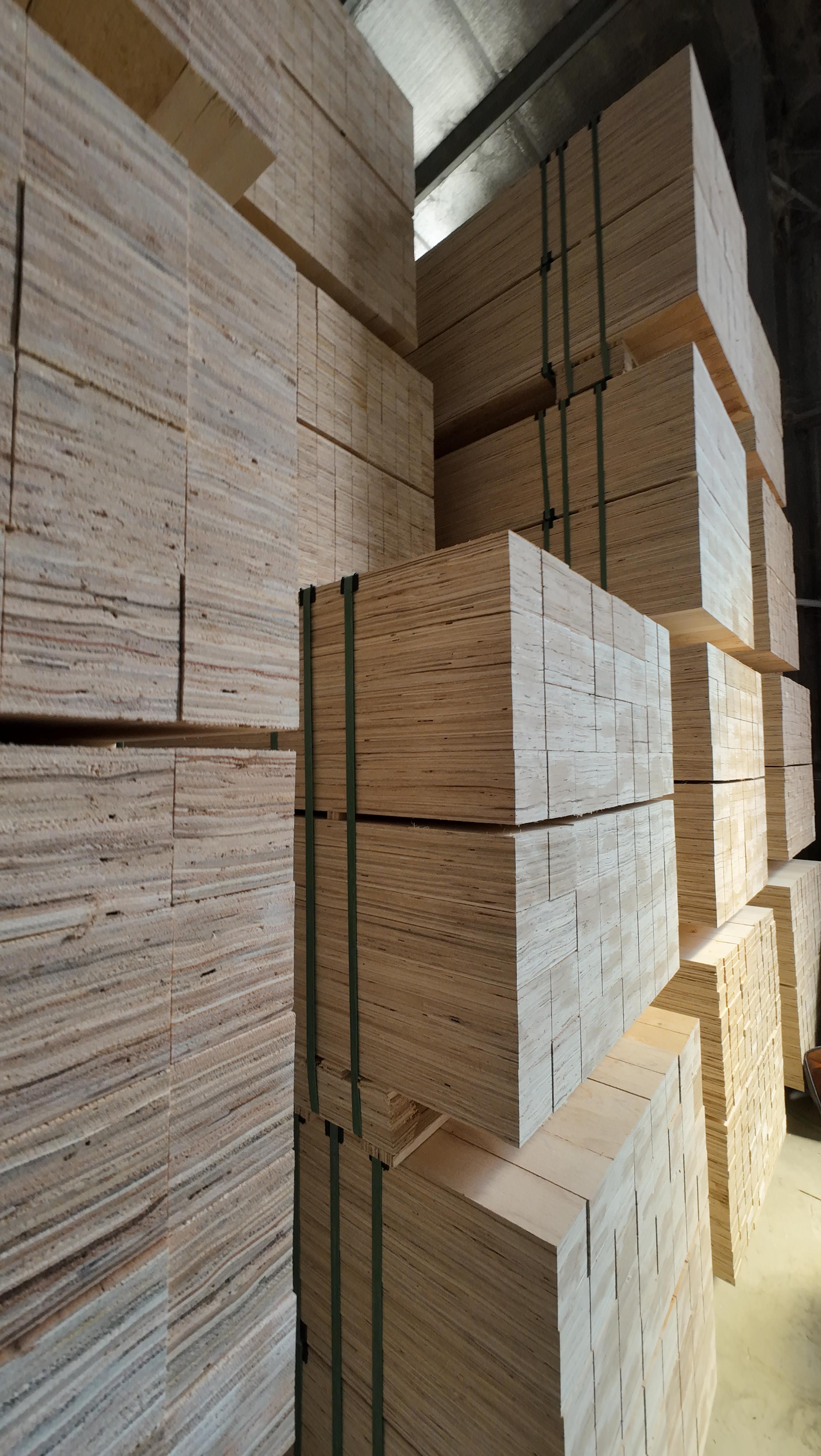
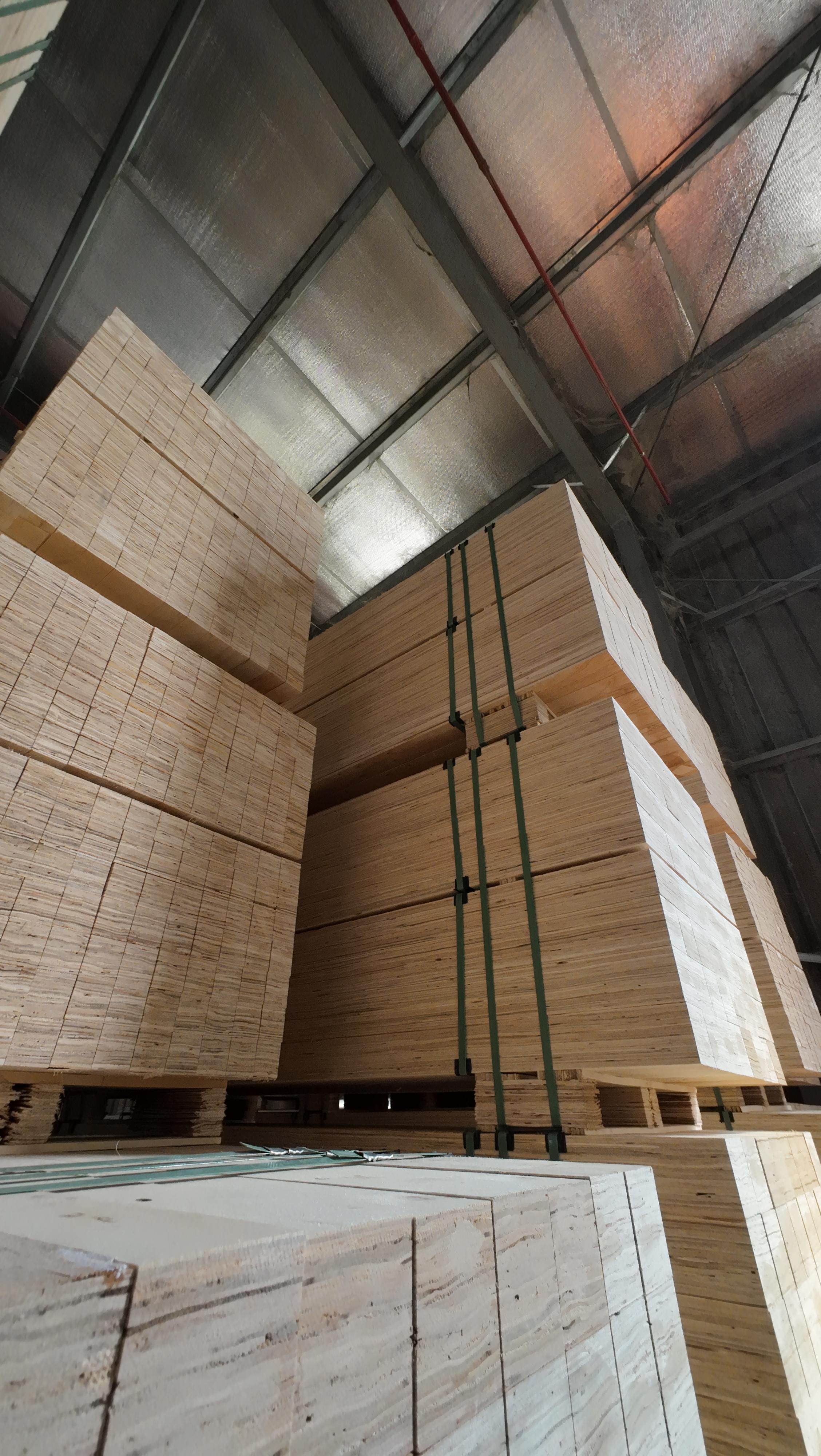
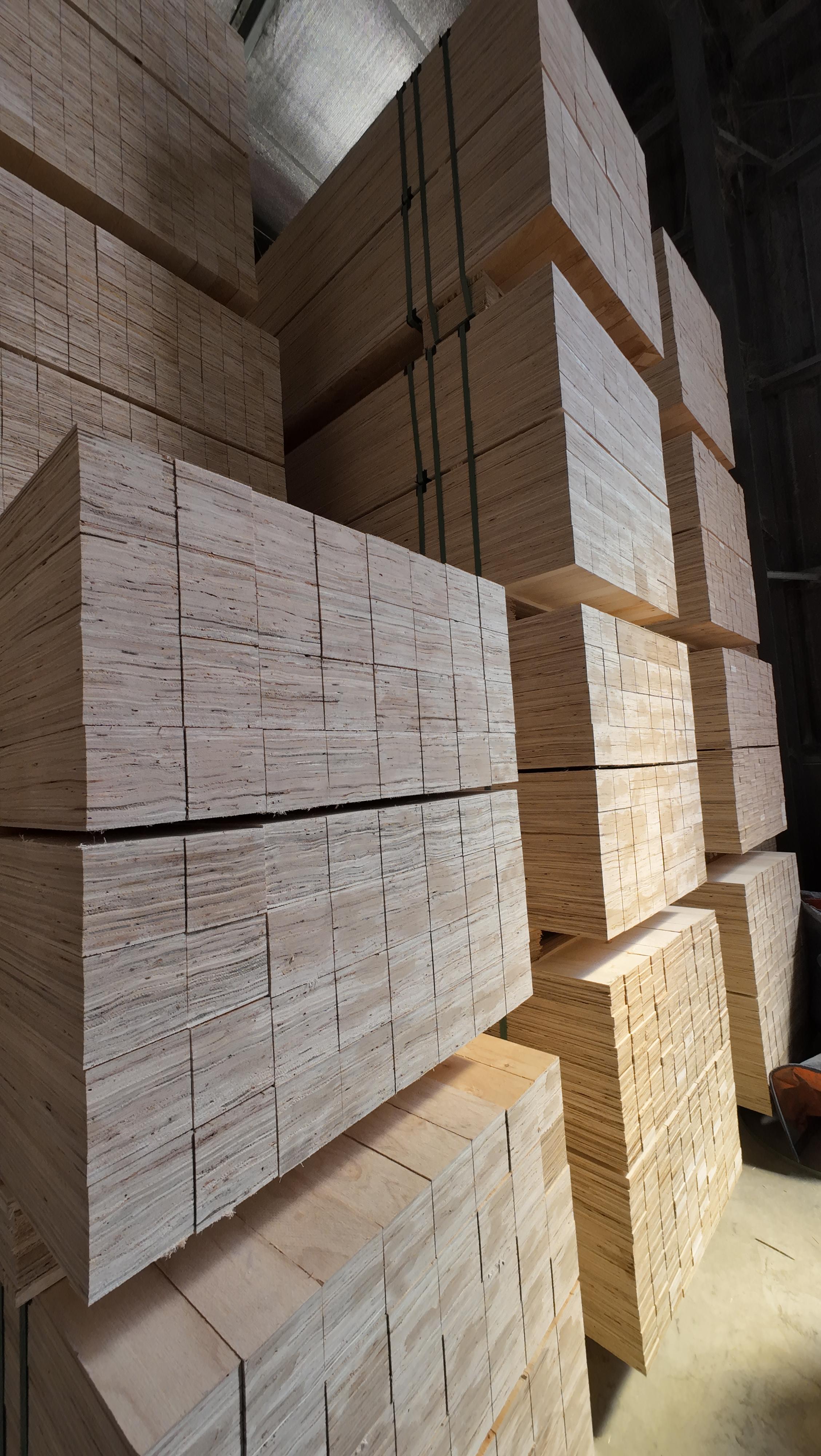
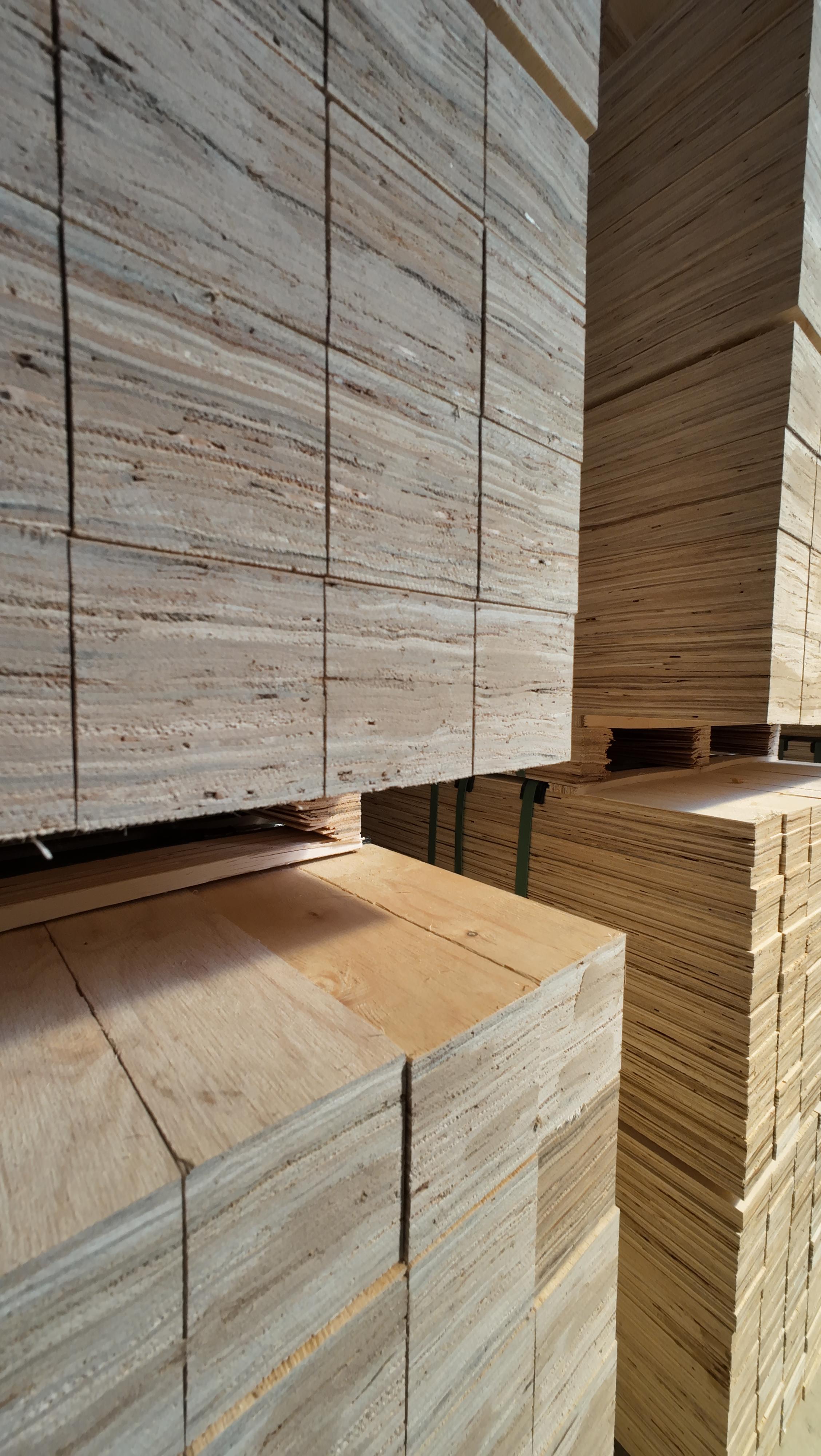
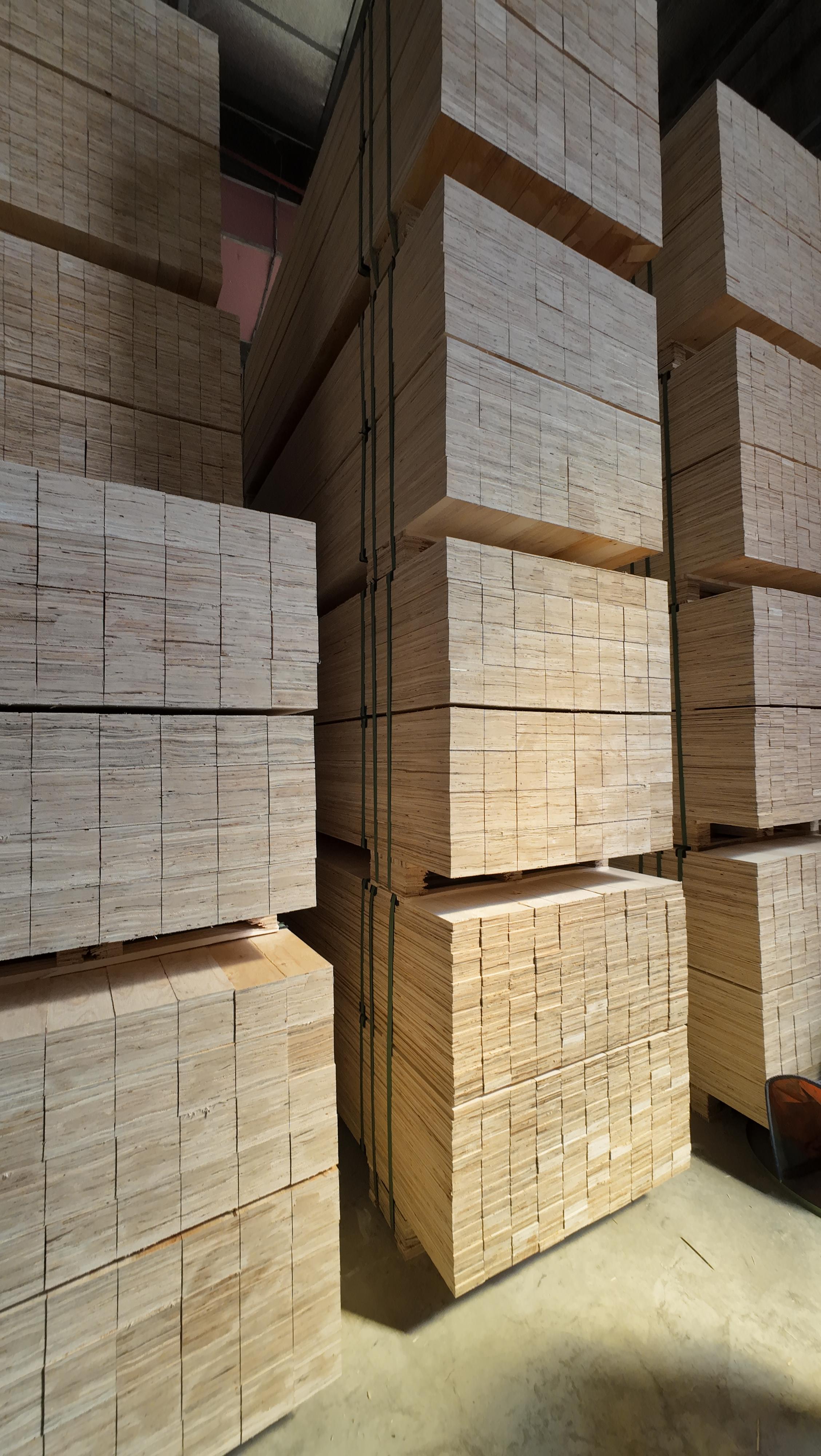
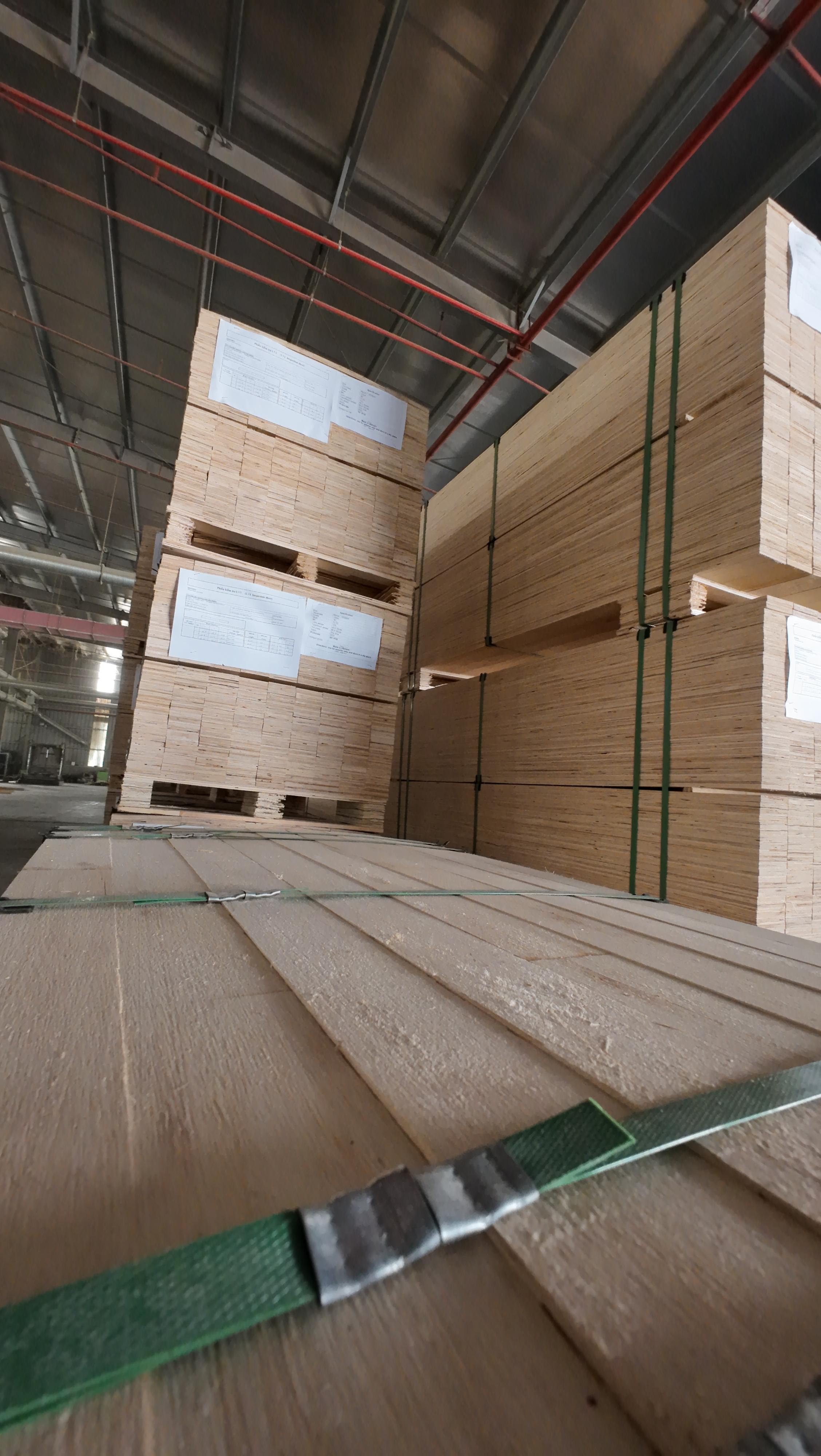
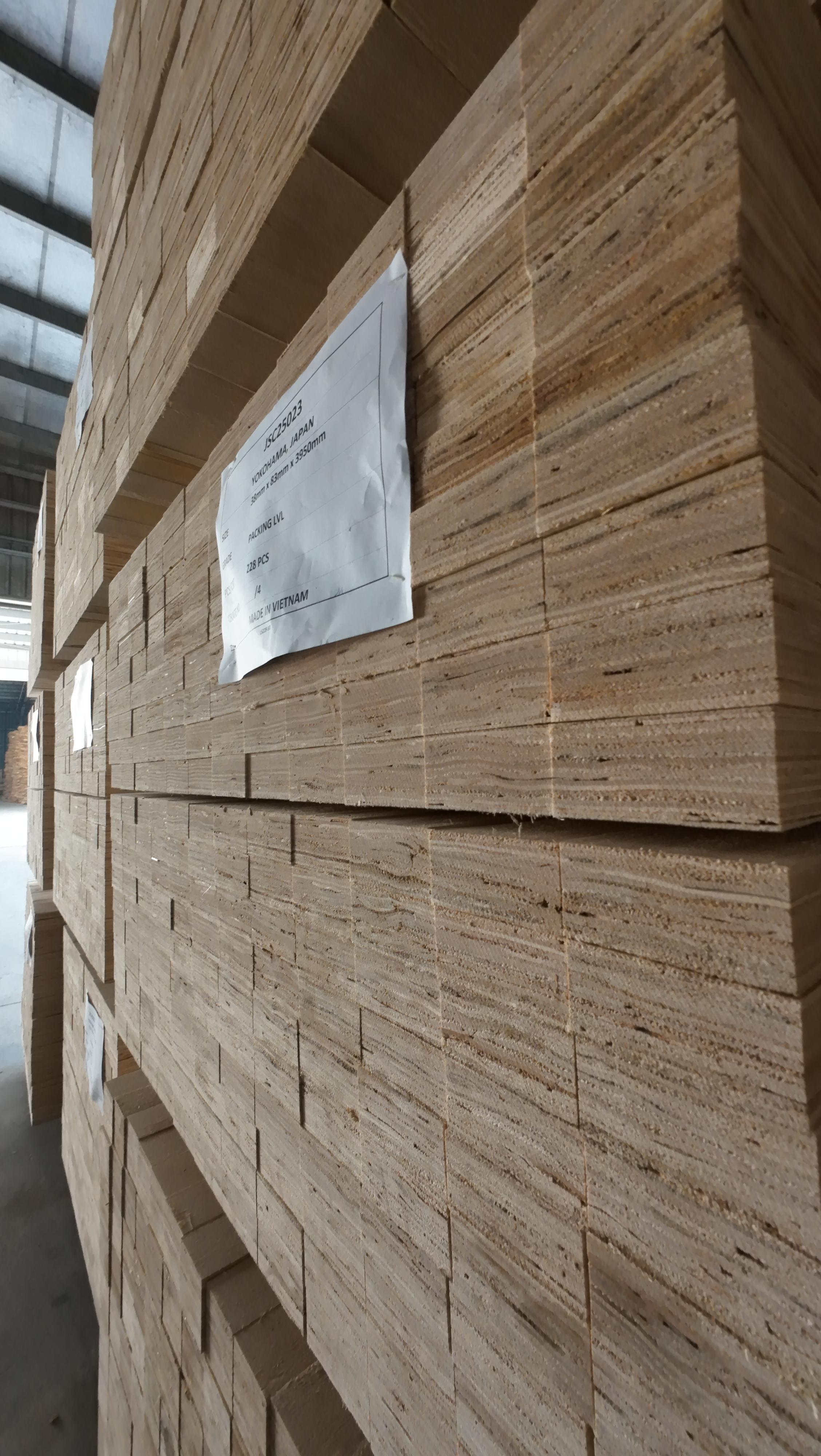
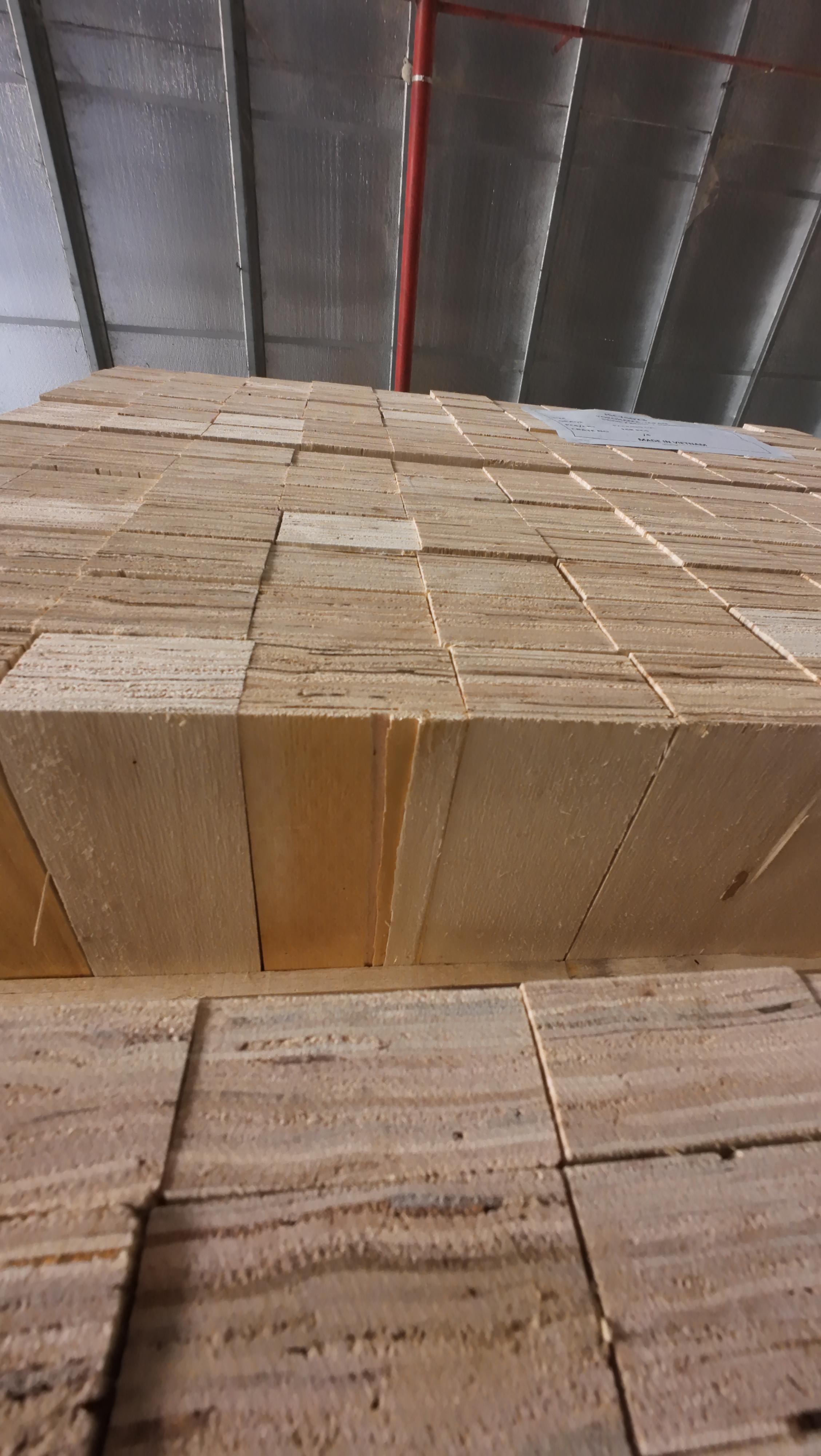
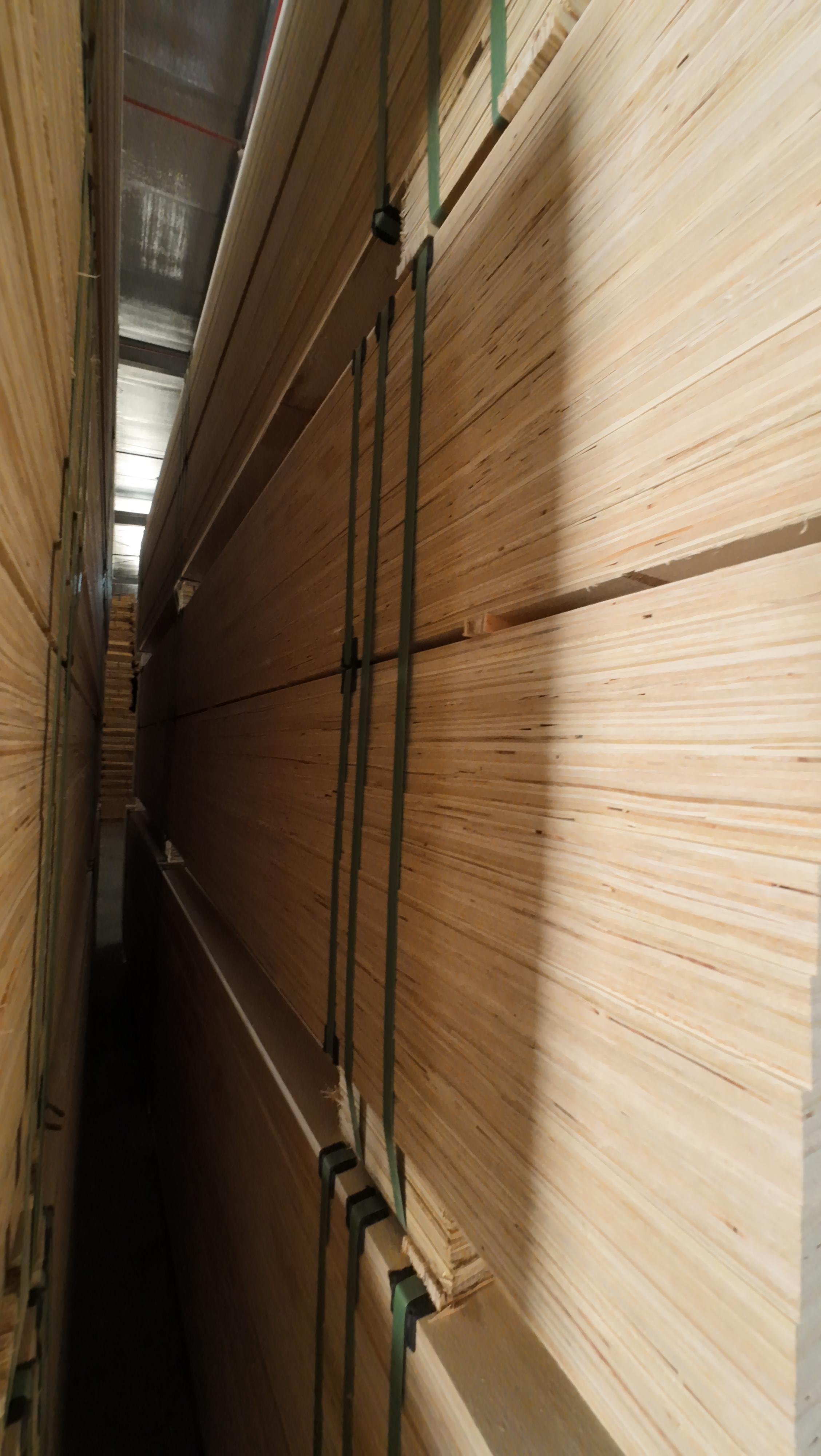
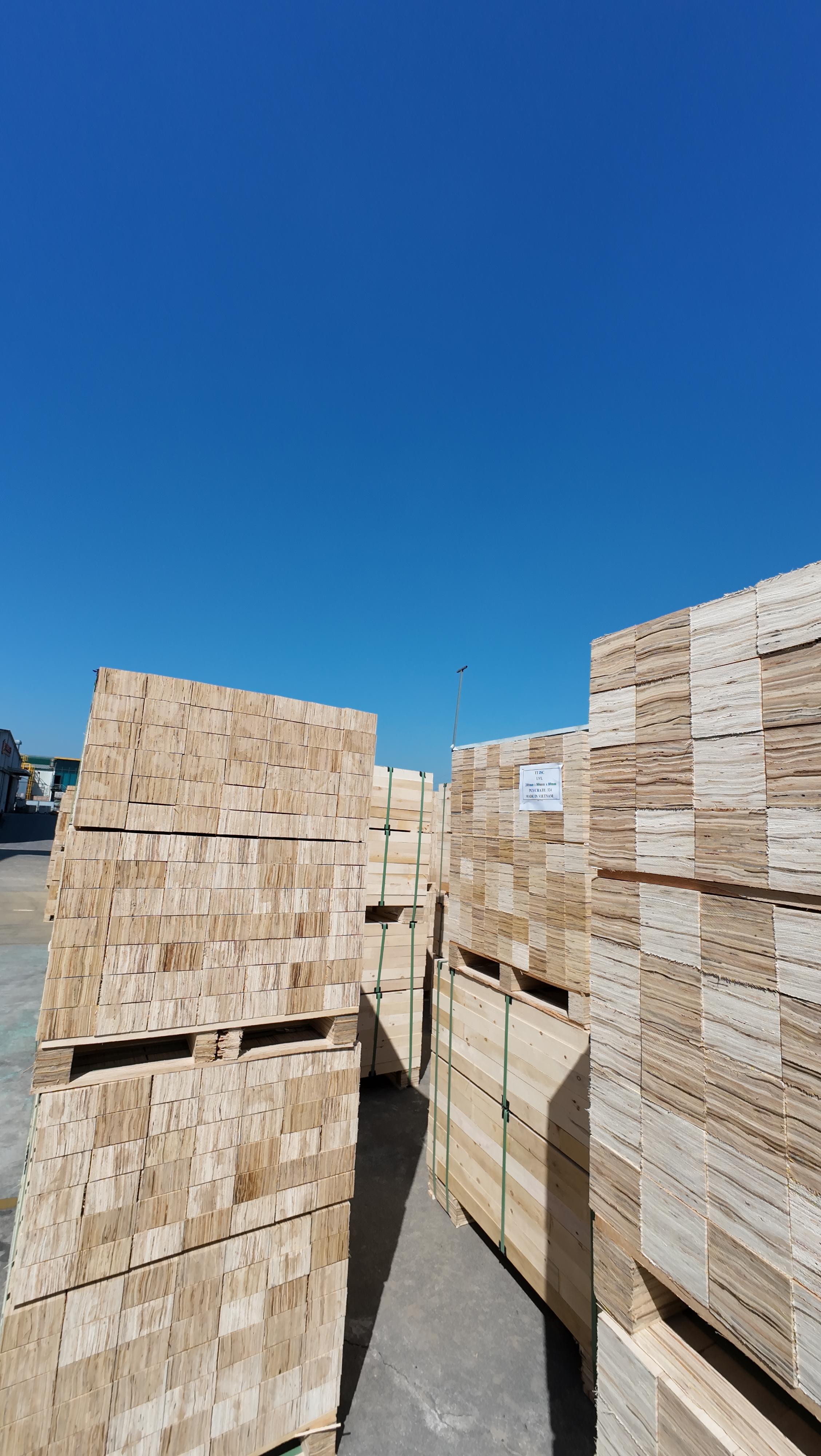
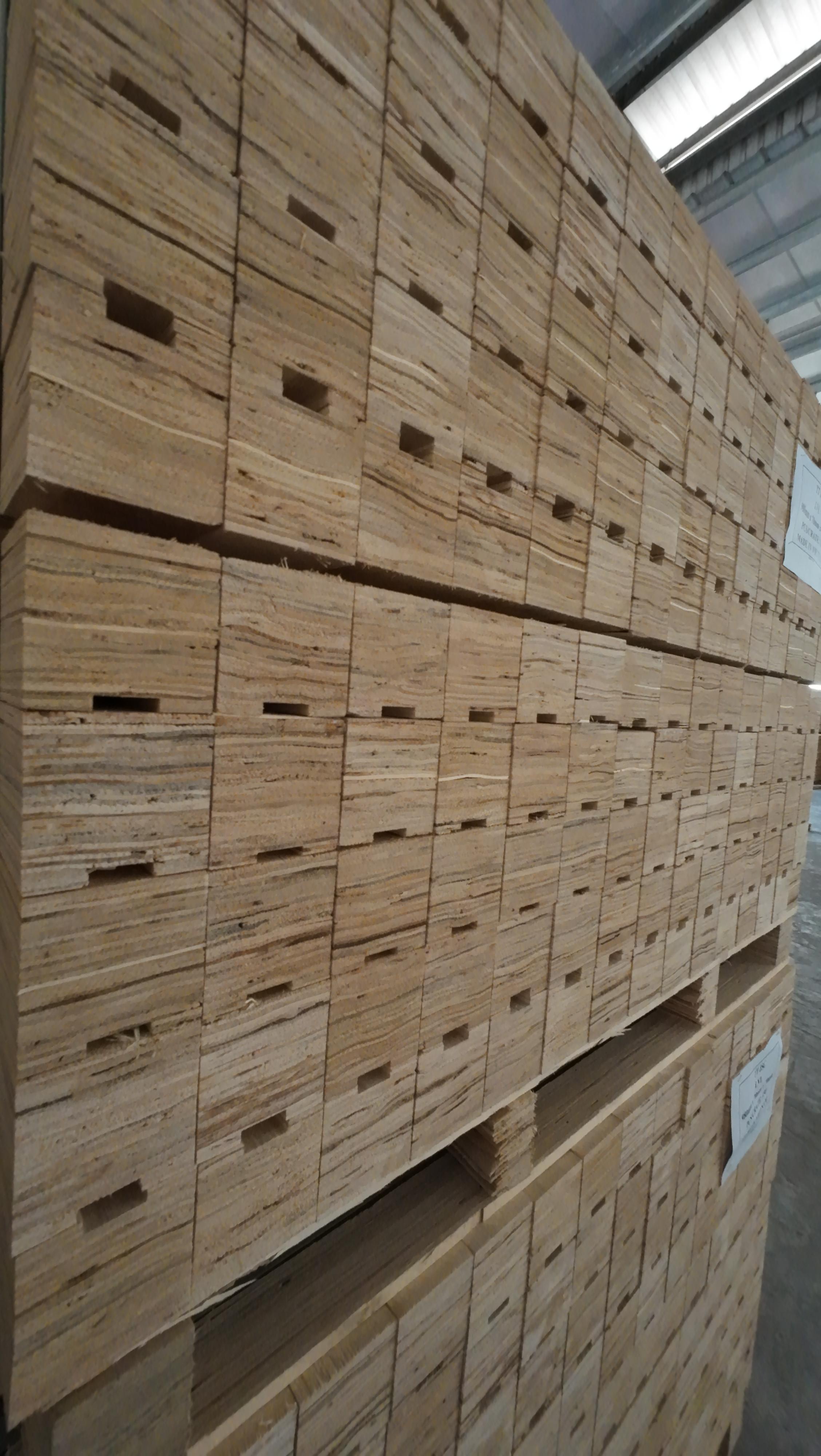
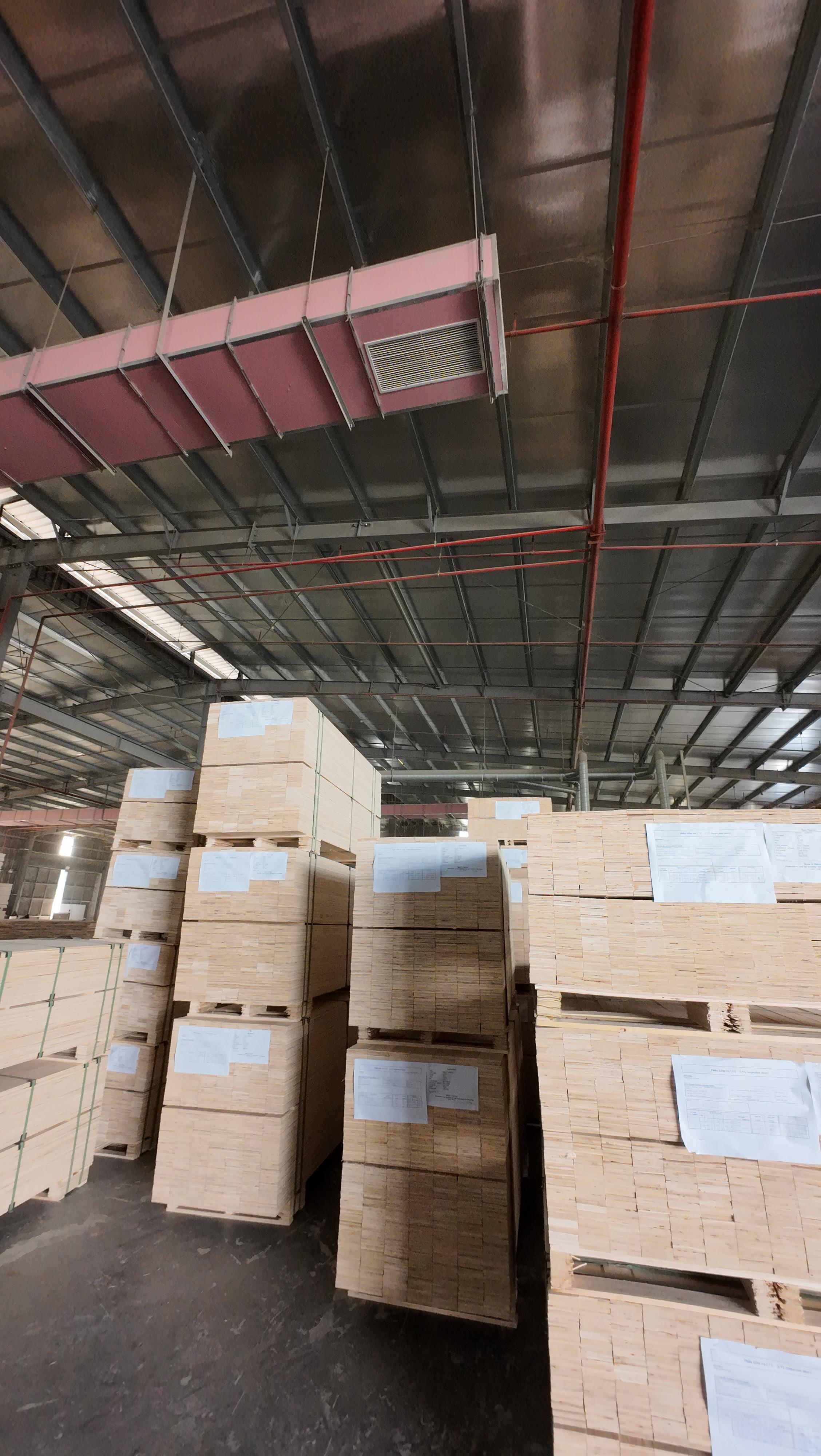
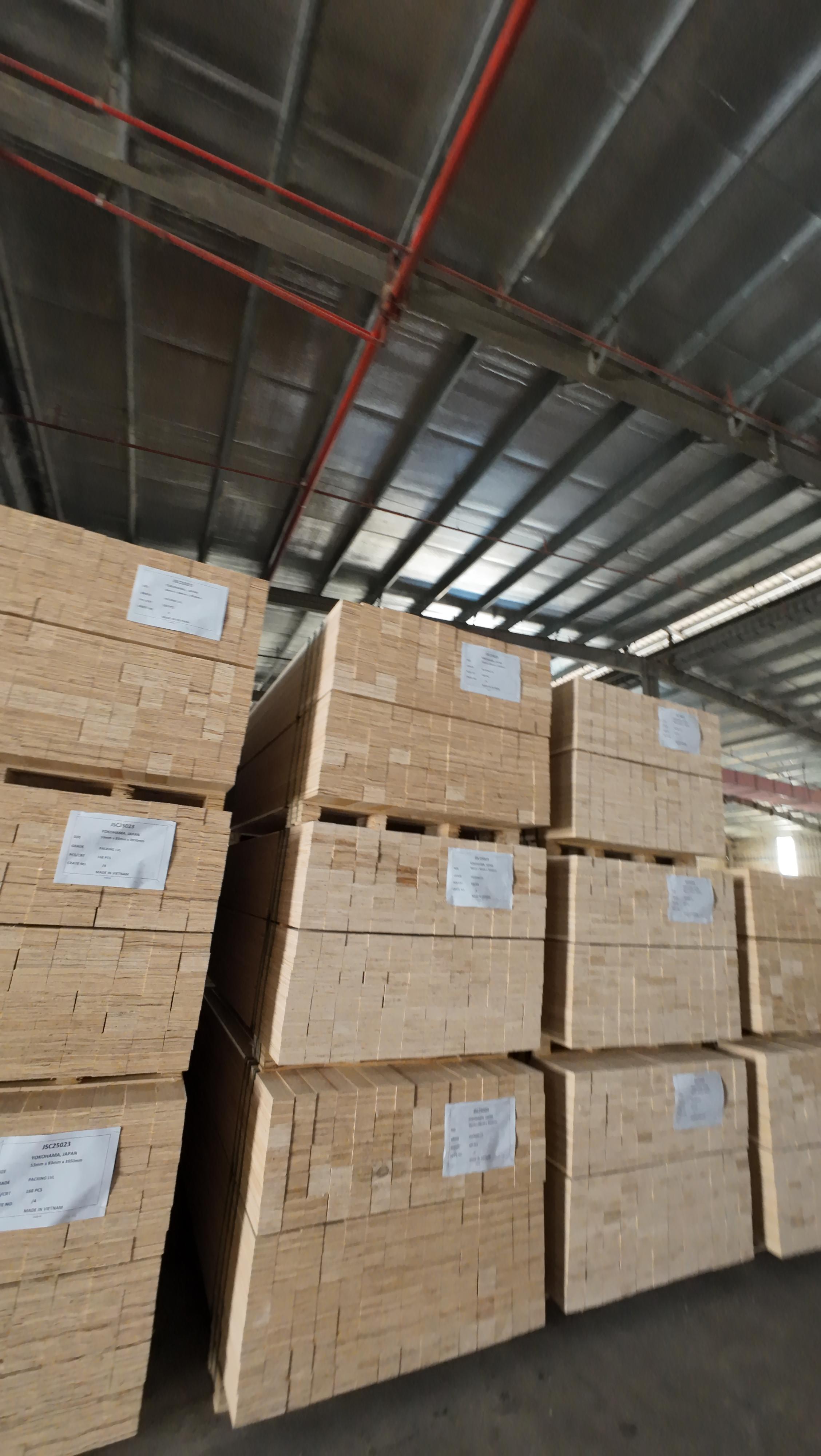
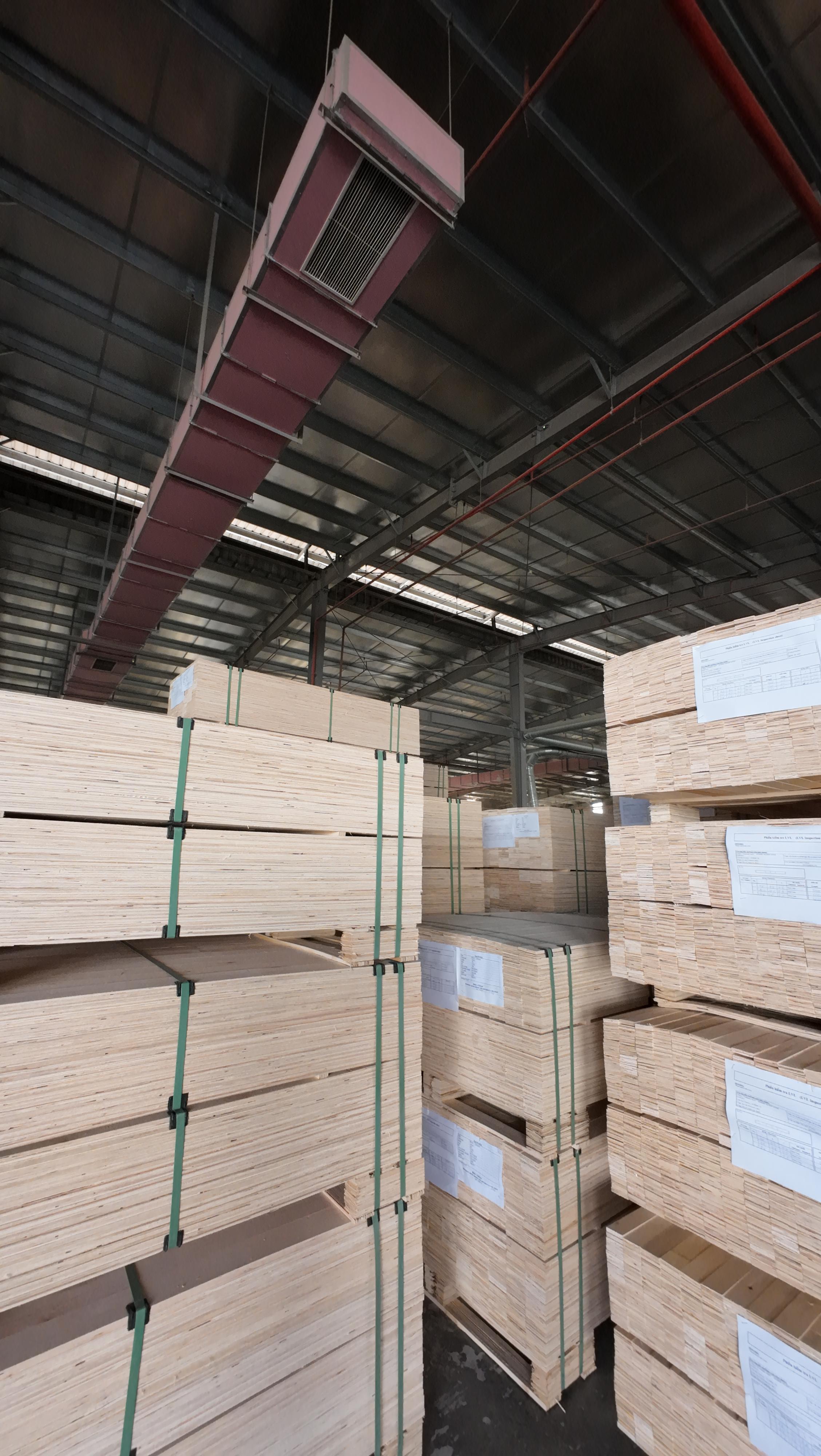
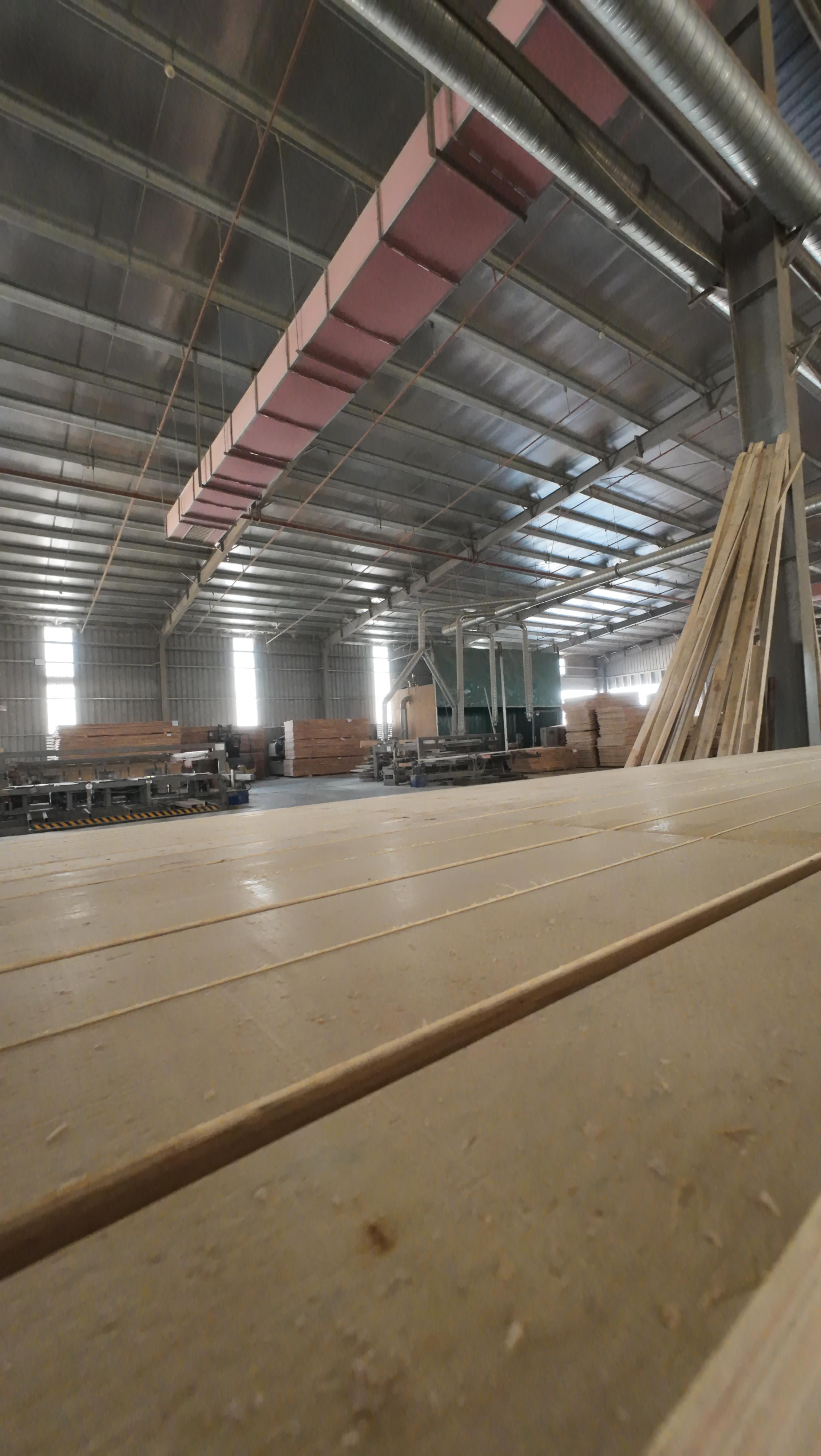
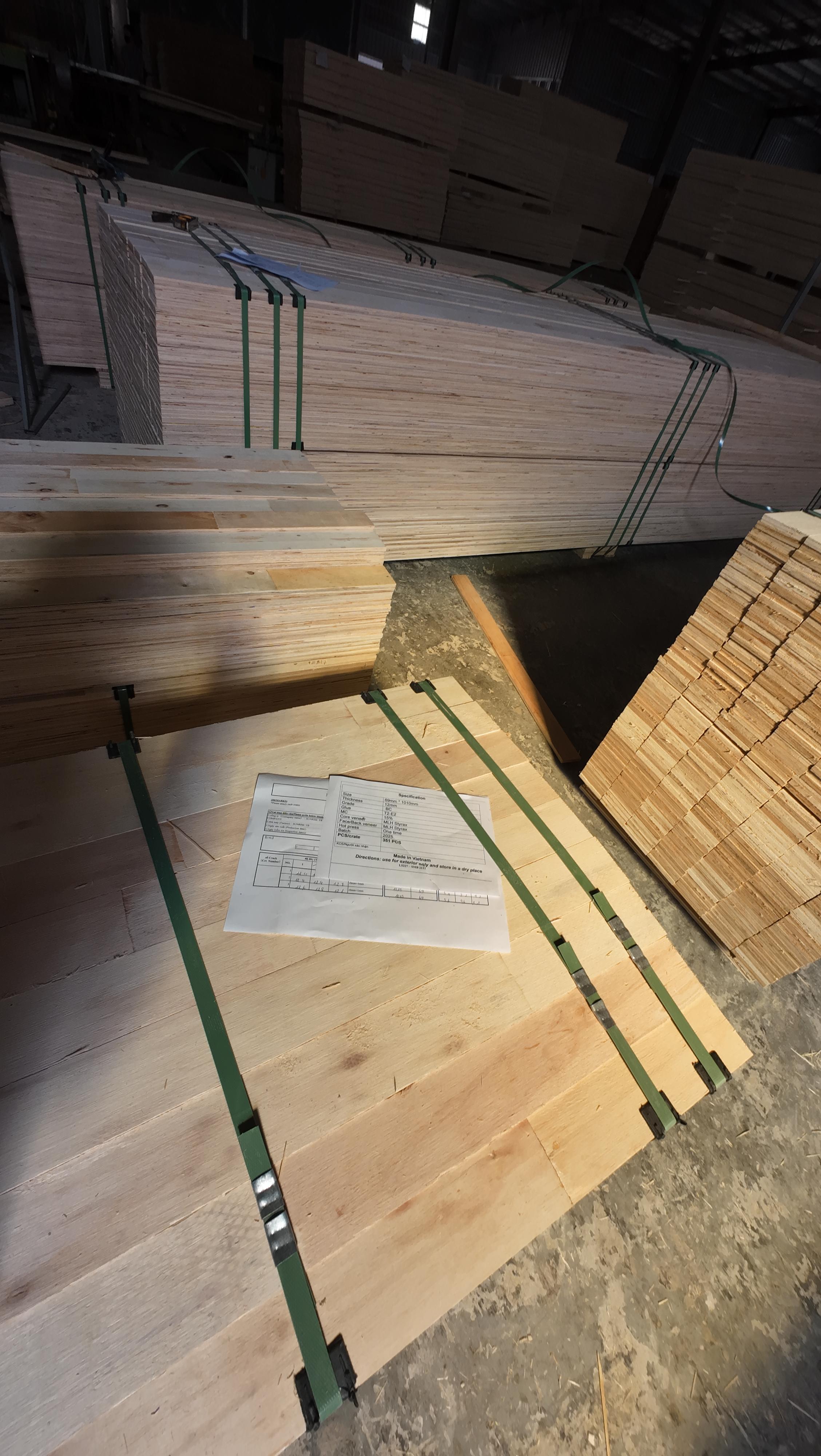
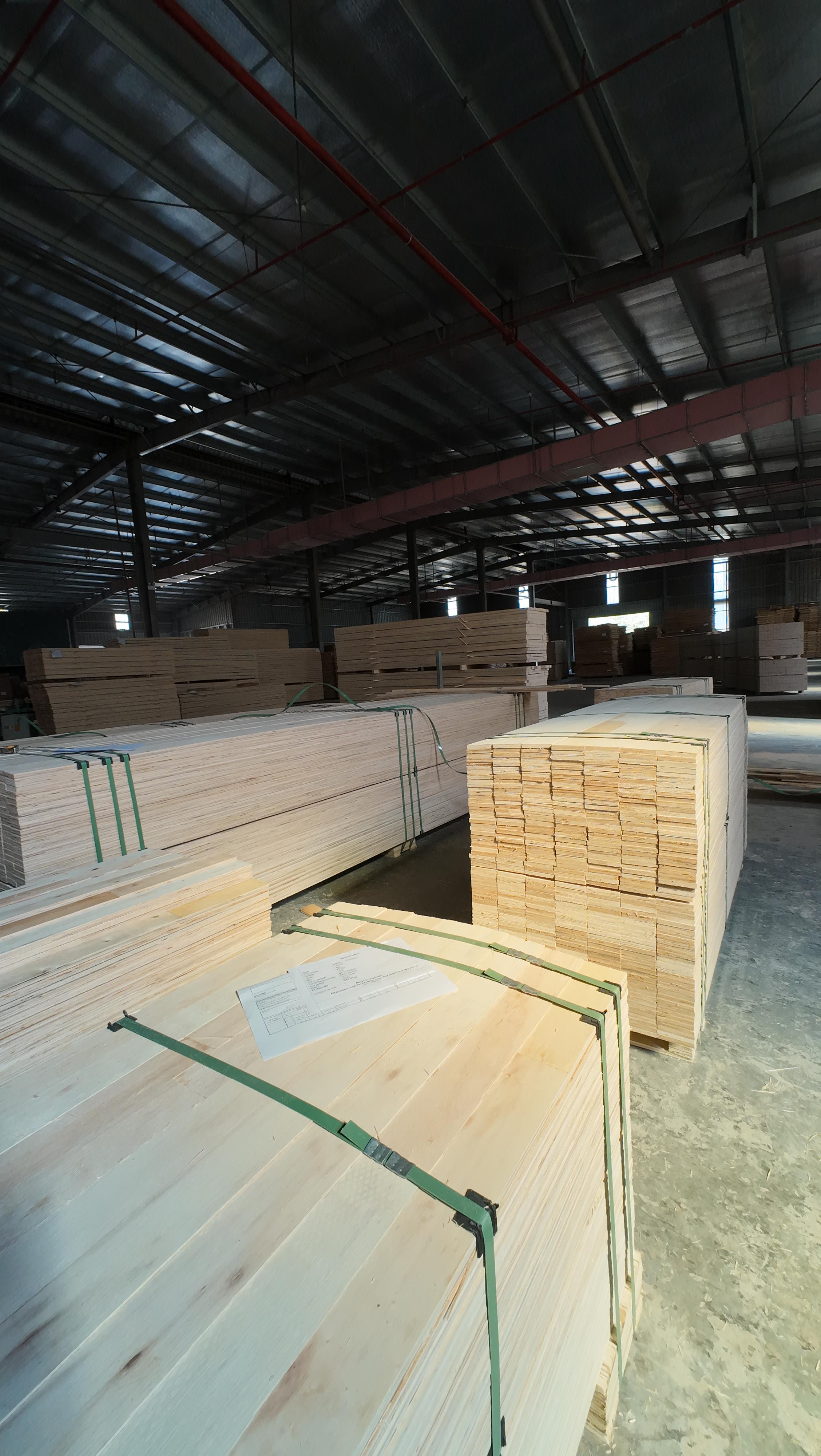
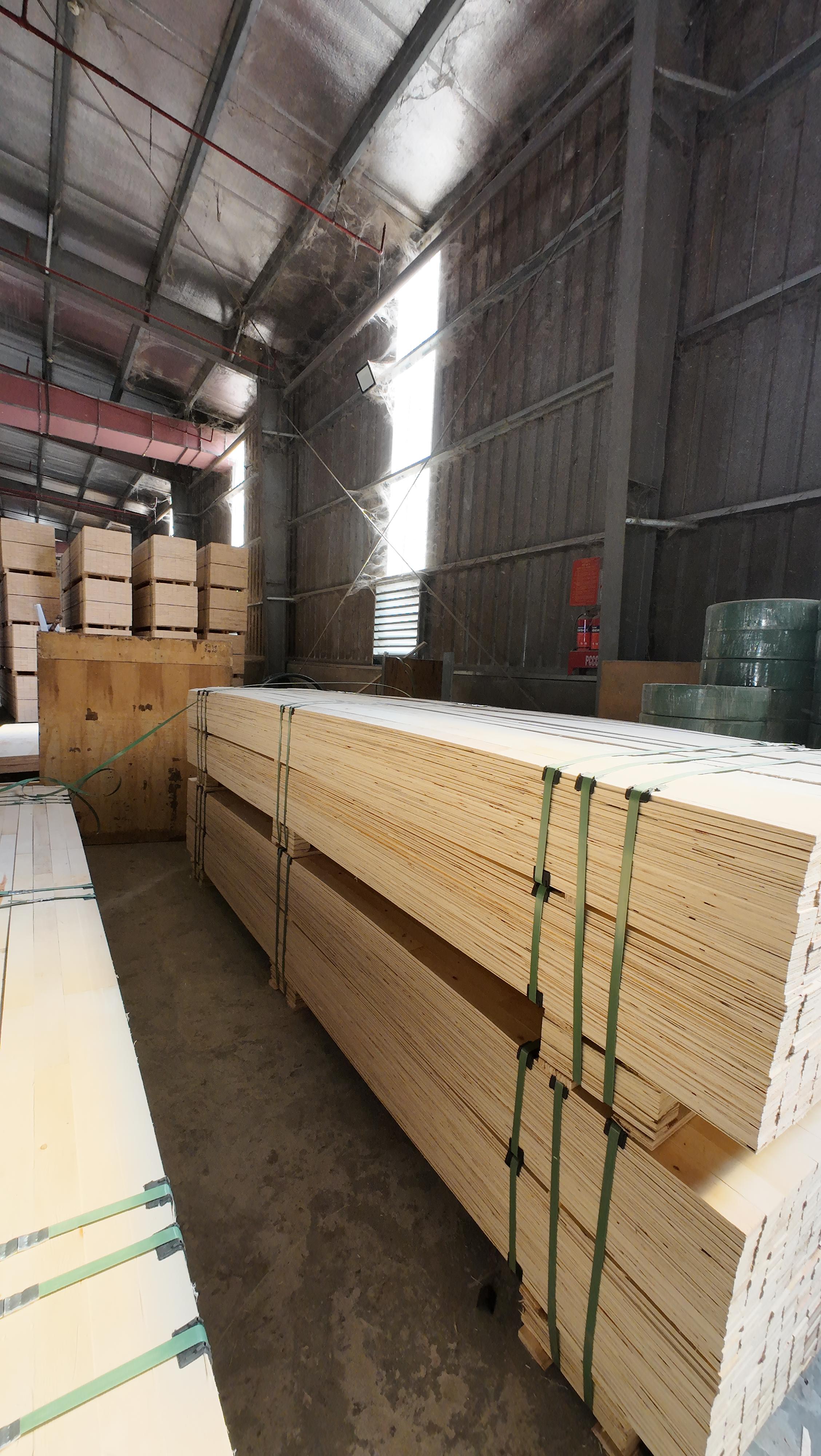
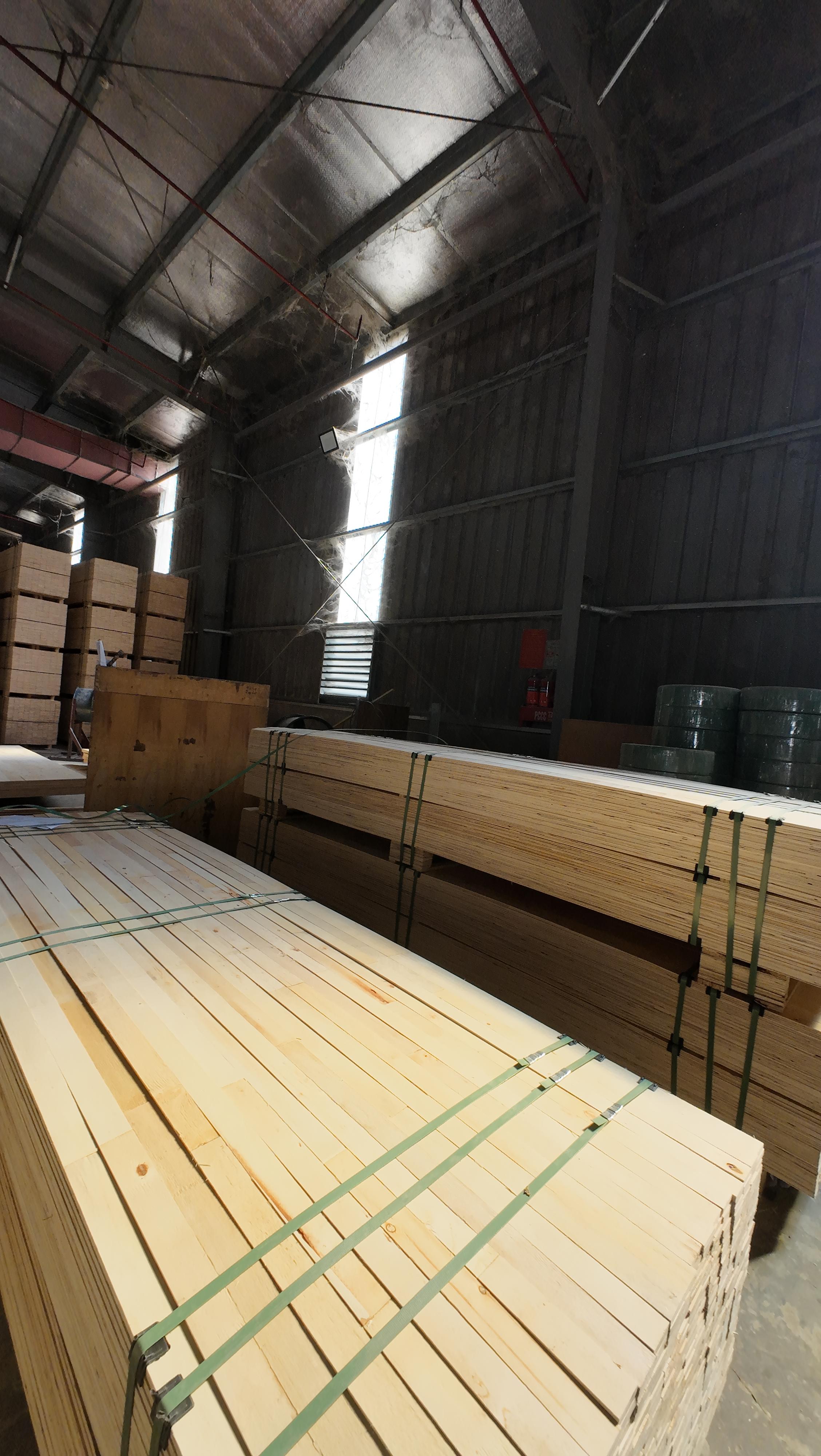
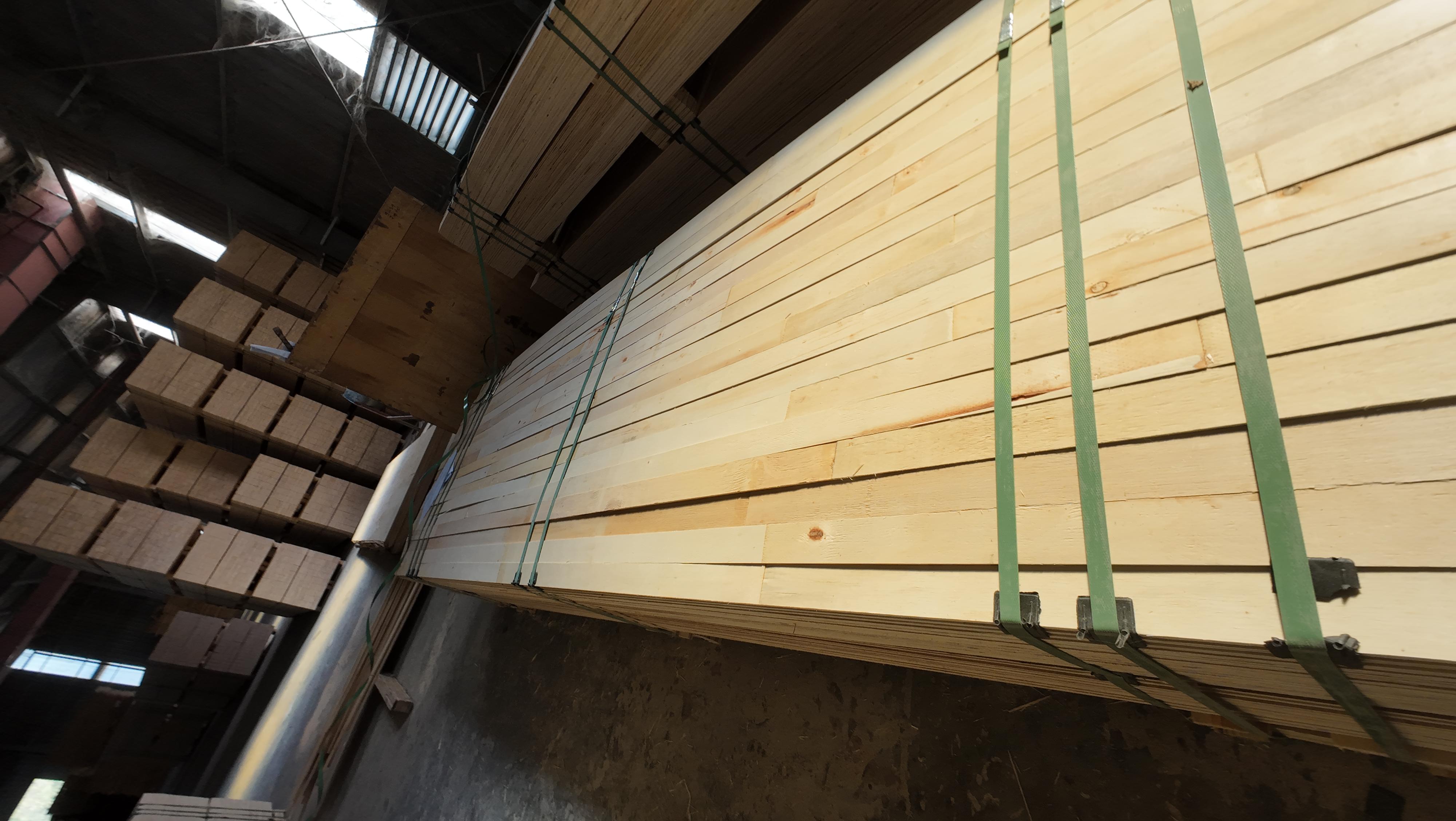
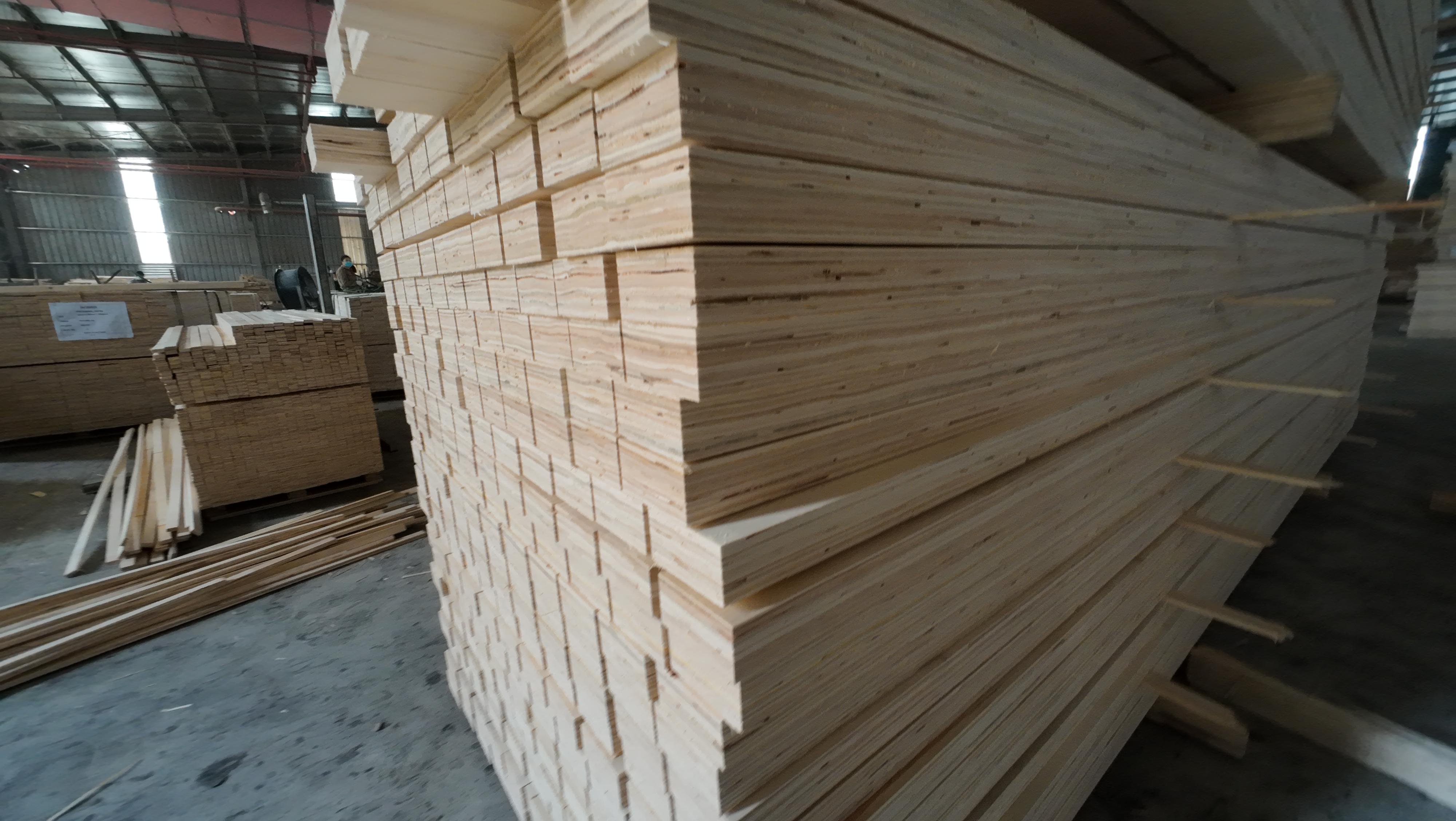
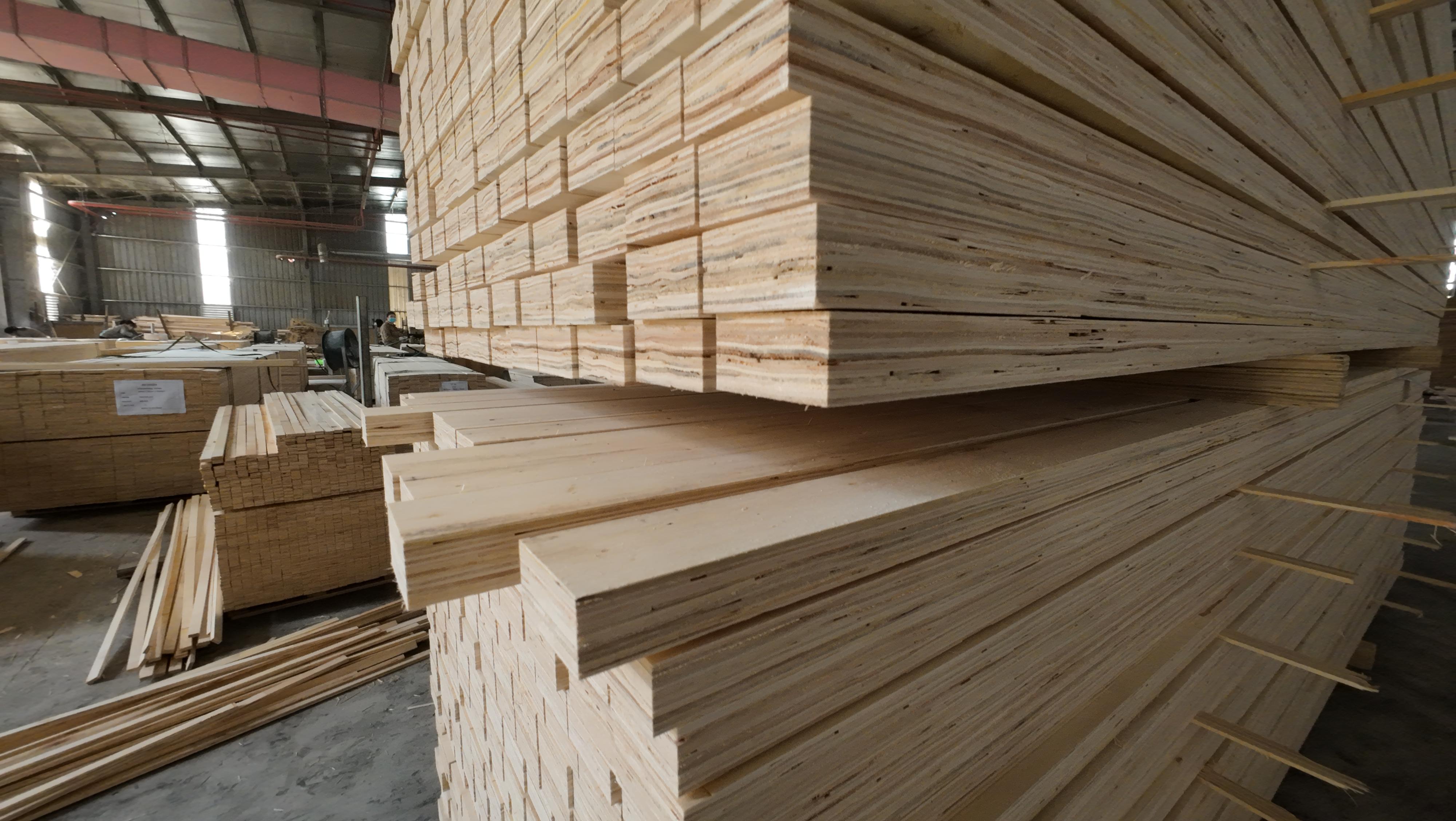
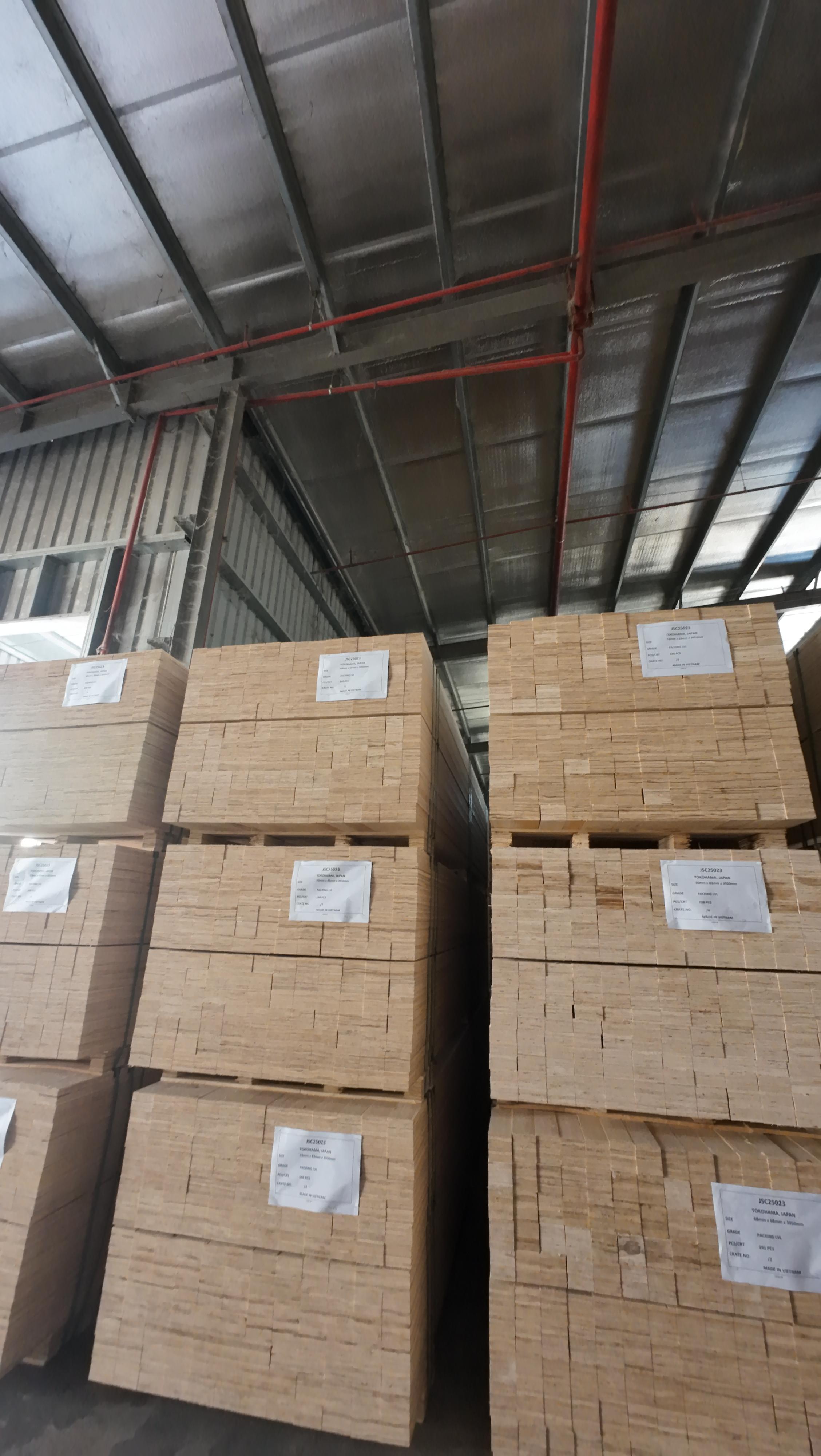
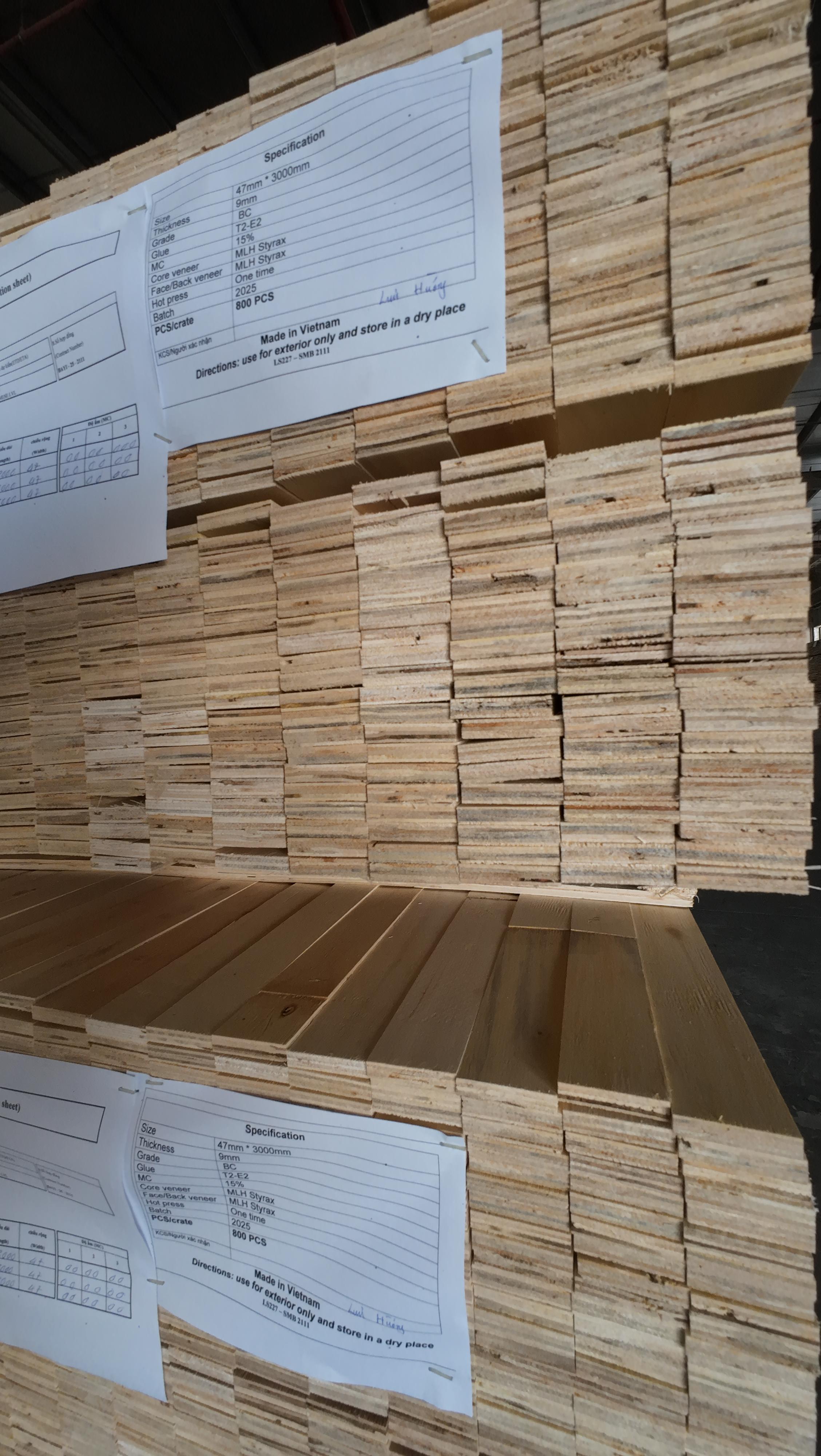
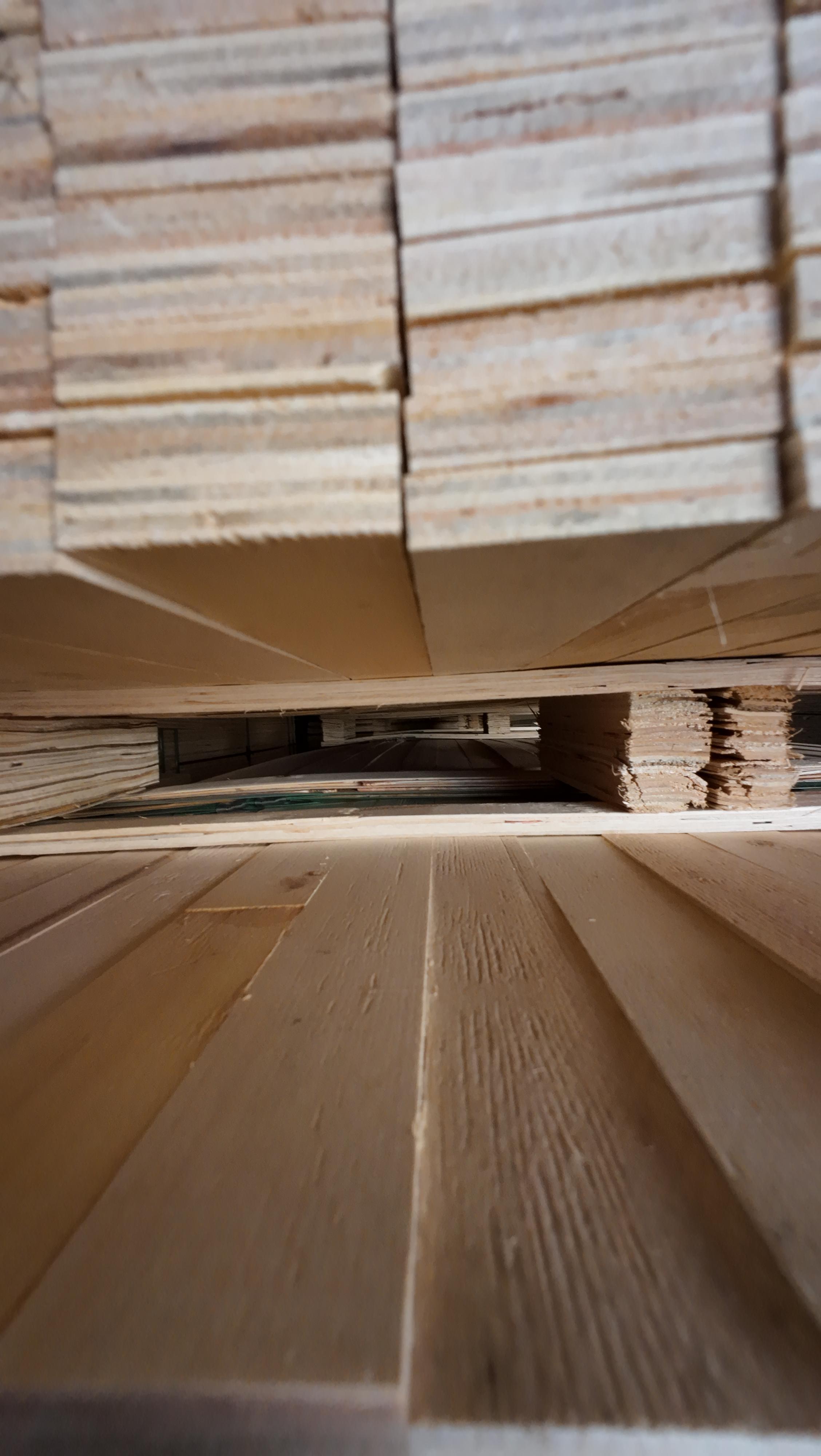
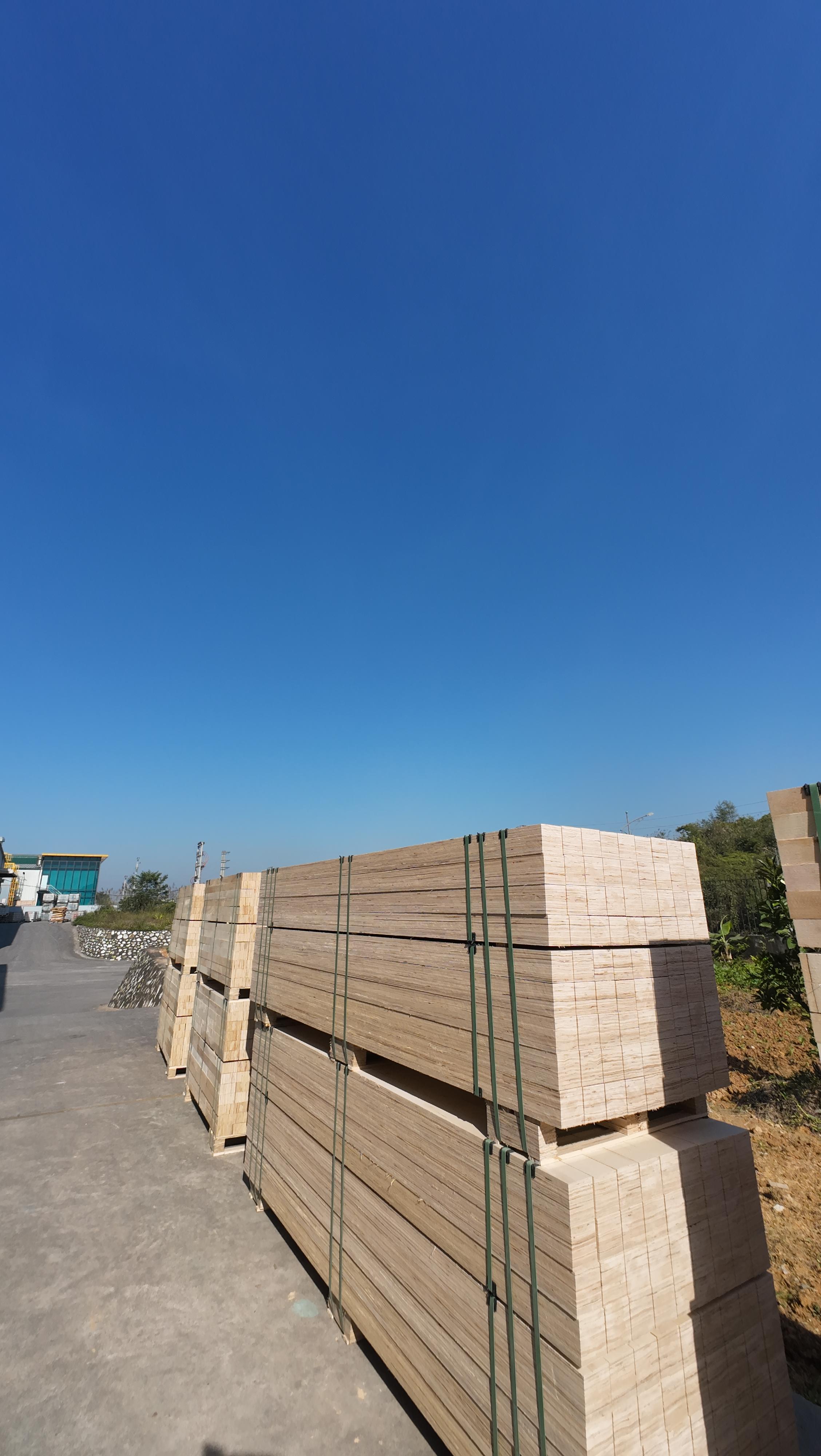
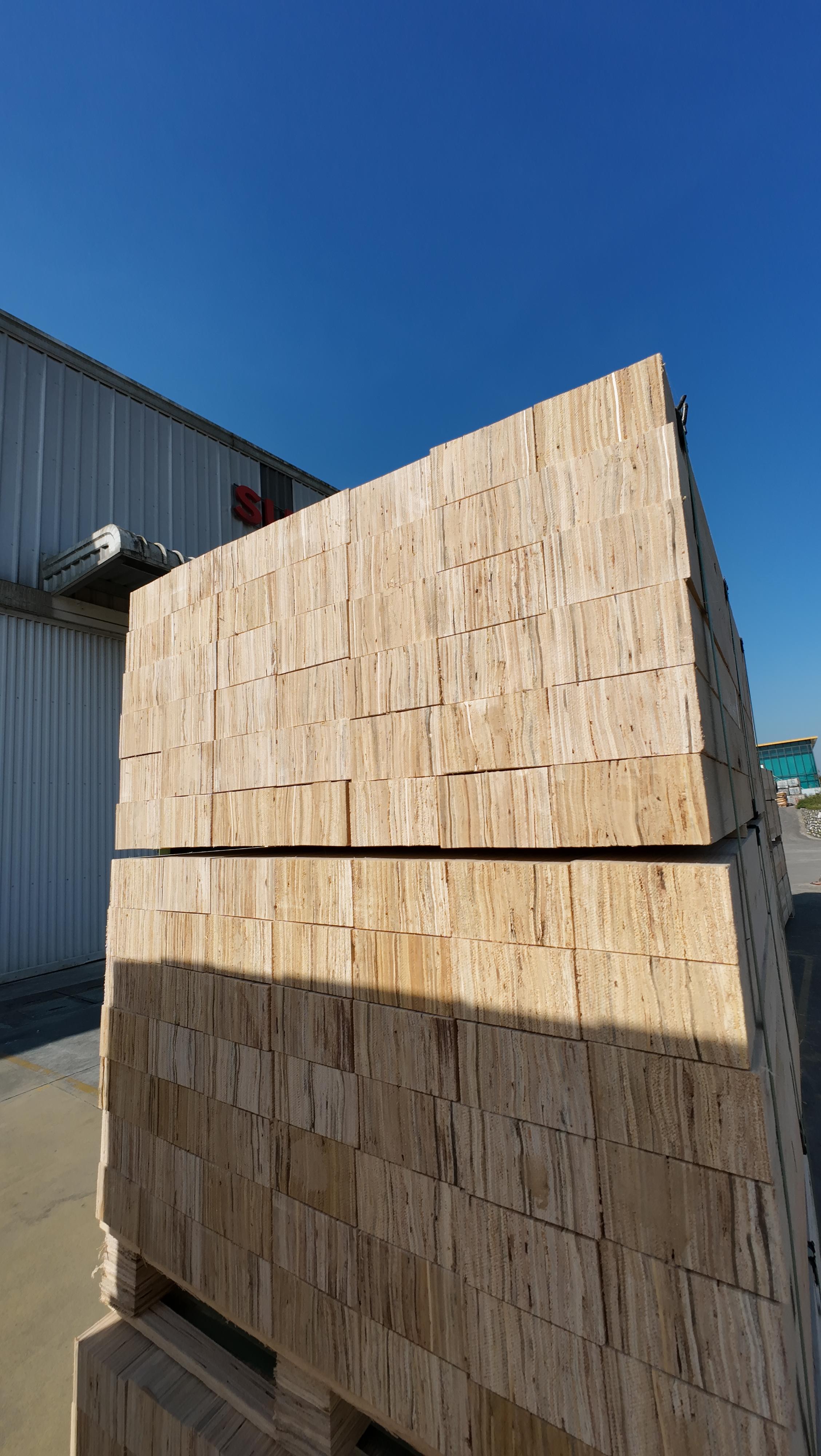
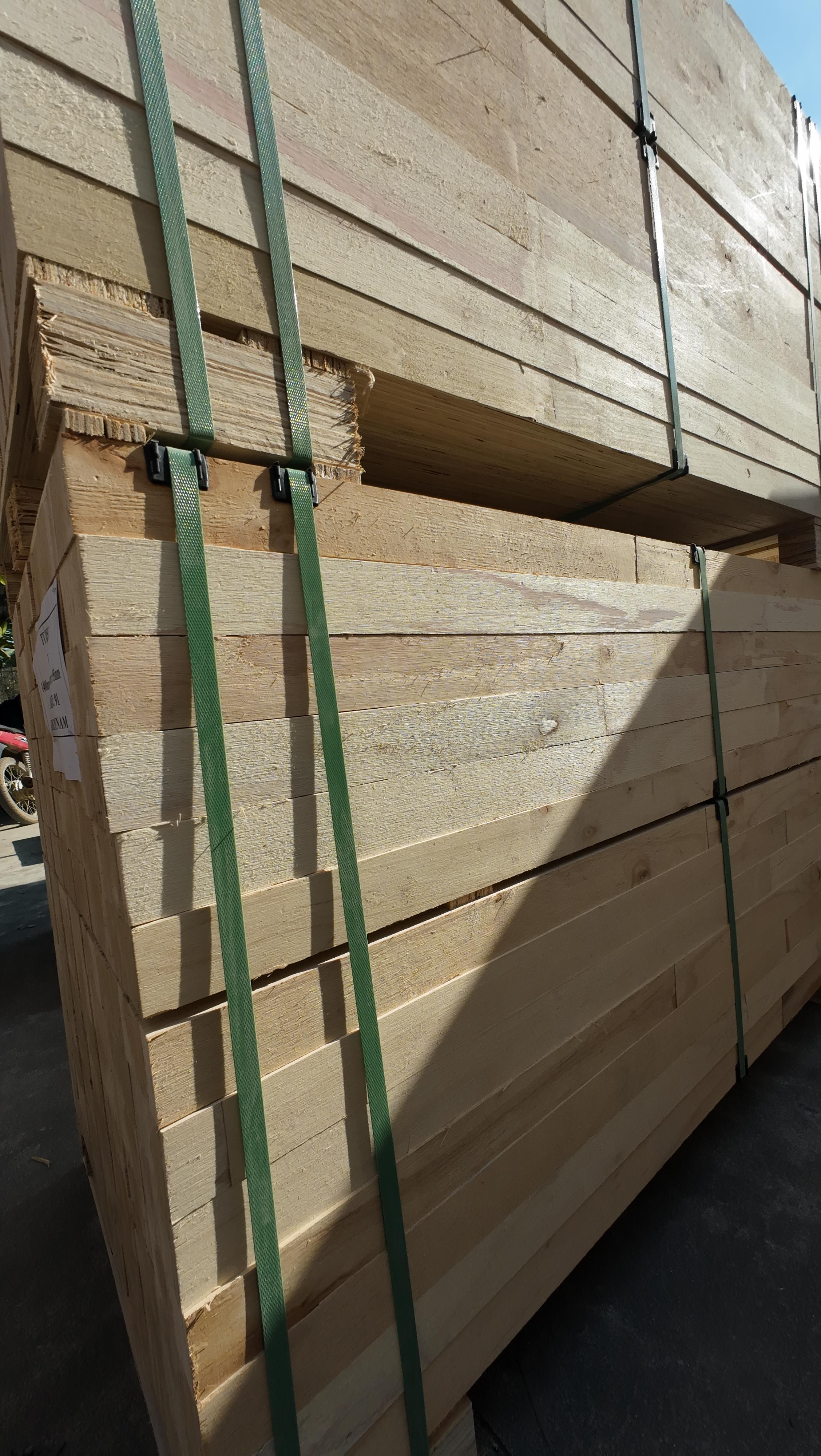
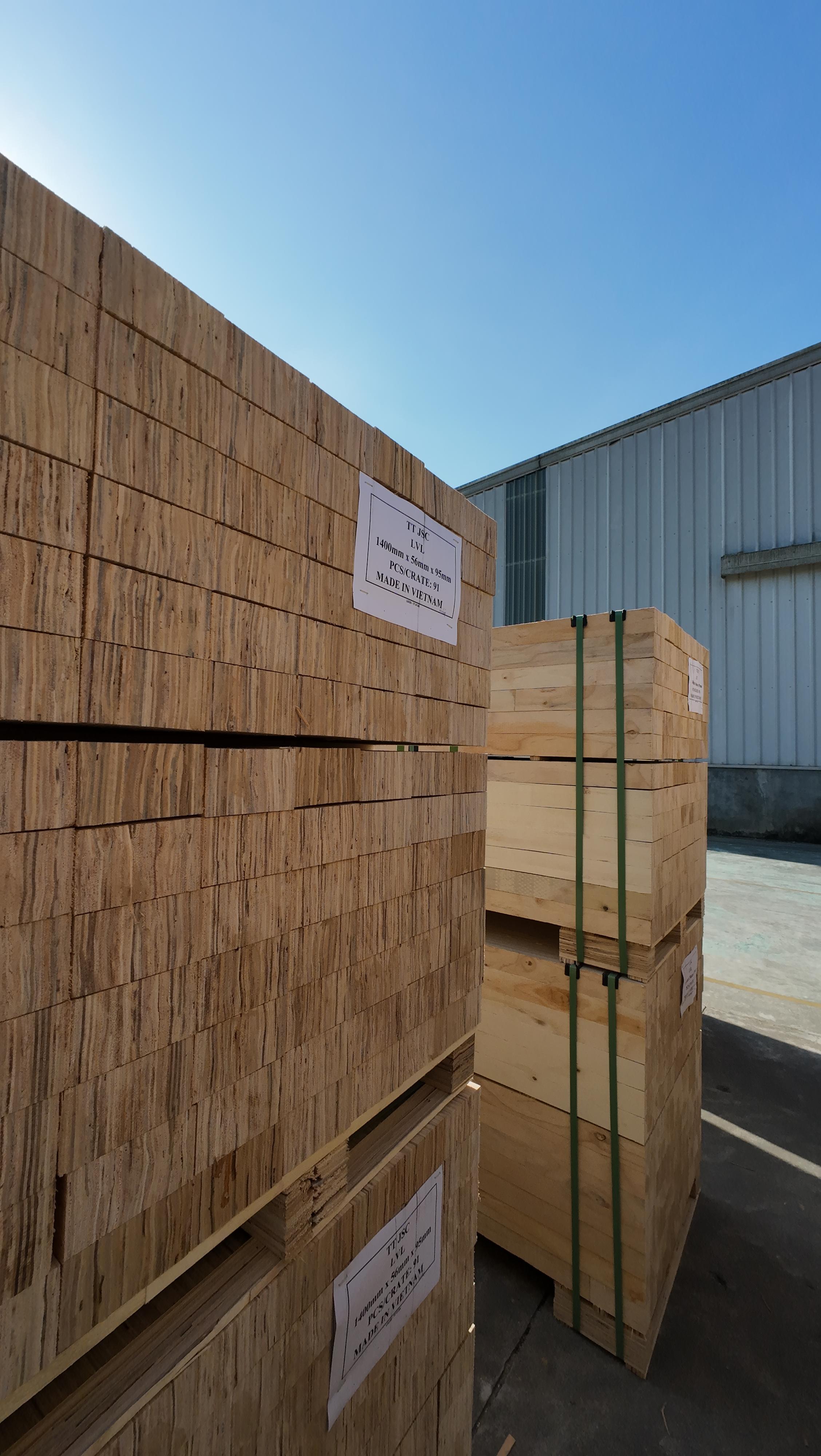
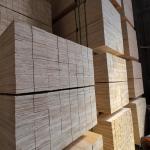
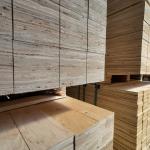
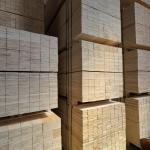
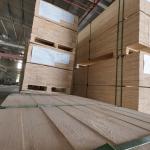
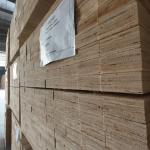
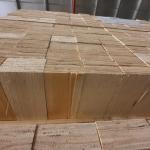
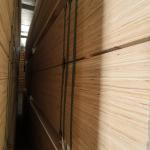
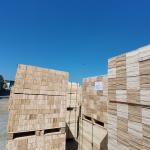
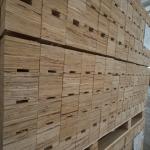
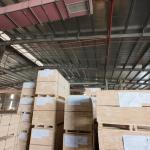
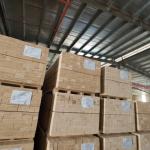
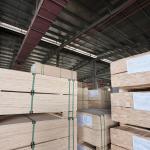
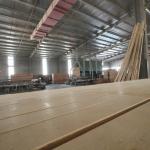
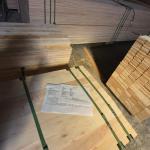
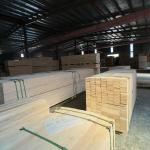
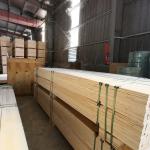
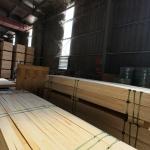
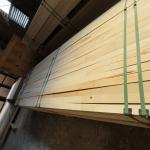
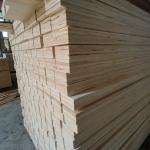
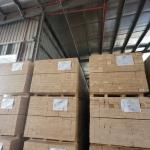
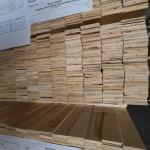
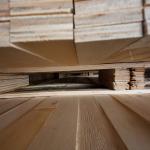
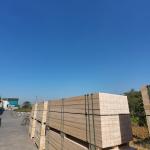
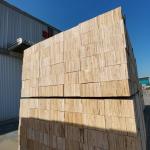
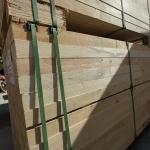
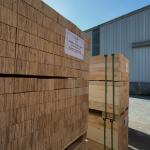
LVL plywood from TN Phu Tho is a high-quality engineered wood product developed to meet the increasingly demanding needs of construction, interior design, and industry. The product stands out for its excellent load-bearing capacity, high stability, and minimal warping and shrinkage during use. With a focus on quality as its foundation, LVL plywood is not only an effective alternative to natural wood but also provides long-lasting and sustainable value.
LVL plywood (Laminated Veneer Lumber plywood) from TN Phu Tho is a high-quality engineered wood product, researched and developed to effectively replace natural wood in applications requiring high durability, stability, and load-bearing capacity. Unlike conventional plywood, LVL plywood is designed with a uniform wood grain orientation, helping to distribute force evenly along the length of the product, thereby increasing load-bearing capacity and minimizing deformation during use. This is the optimal choice for businesses seeking a material that is both sustainable and ensures long-term economic efficiency.
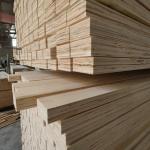
LVL plywood is a material made from thin layers of natural wood veneer (typically 1.5mm – 3mm thick), peeled from the tree trunk using modern technology. These veneer layers are arranged in the same grain direction (parallel to the length of the board), then bonded together with specialized glue and pressed under high temperature and pressure.
This "unidirectional" structure is the core element that differentiates LVL plywood from traditional plywood (which has grain layers arranged perpendicularly). As a result, LVL has extremely good unidirectional strength, high elasticity, is less prone to warping and cracking, and maintains its shape even in changing environmental conditions.
TN Phu Tho's LVL plywood is developed not simply as a substitute material, but as a technical wood solution aimed at optimizing three core elements in industrial production: cost, efficiency, and stability. The product's differentiation stems from the way the company controls the entire value chain – from raw materials and production technology to its ability to flexibly meet the actual needs of customers.
Competitive pricing – Optimized long-term cost
LVL plywood offers distinct advantages due to its ability to optimize materials right from the product structure. The use of thin veneer layers from sustainably managed timber maximizes resource utilization, reducing reliance on large-sized natural wood while still ensuring the necessary mechanical strength. As a result, the product has a stable price, suitable for large-scale manufacturing businesses or those requiring long-term orders. More importantly, the economic efficiency of LVL plywood lies not only in its initial cost but also throughout its lifespan, as the product is highly durable, less prone to damage, minimizes waste, and can be reused multiple times in applications such as pallets or industrial packaging.
Ability to proactively manage production and ensure timely delivery
Unlike many plywood types that require complex surface finishing processes, LVL plywood simplifies the process by focusing on the load-bearing core structure. This significantly shortens production time and minimizes potential issues that could affect the schedule. Combined with modern machinery, a closed-loop production process, and a stable raw material supply, TN Phu Tho is able to maintain consistent delivery schedules, even for large orders or those requiring tight deadlines.
Outstanding stability during use
Thanks to the structure of the veneer layers arranged in the same direction as the wood grain, the product has very high load-bearing capacity in one direction, while minimizing warping, twisting, or cracking – common problems in conventional plywood. This structure also helps the material maintain stable dimensions under varying temperature and humidity conditions, thus ensuring accuracy and long-term durability in practical applications.
Furthermore, the quality of LVL plywood TN Phu Tho is guaranteed by a rigorous quality control process at every stage. Input veneer is carefully selected and classified to eliminate defects such as dead knots, cracks, or decay, ensuring uniformity of the core layer. During production, the glue is precisely and evenly distributed between the layers, combined with tightly controlled temperature and pressure during pressing, enhancing bonding strength and reducing the risk of delamination. As a result, the product maintains consistent quality across batches – a particularly important factor for mass-production businesses.
The ability to customize flexibly to meet customer needs
TN Phu Tho can adjust product specifications, from size and thickness to adhesive type and technical standards, to suit each intended use and market requirement. This allows LVL plywood to be easily integrated into existing production lines without requiring major changes in design or technology.
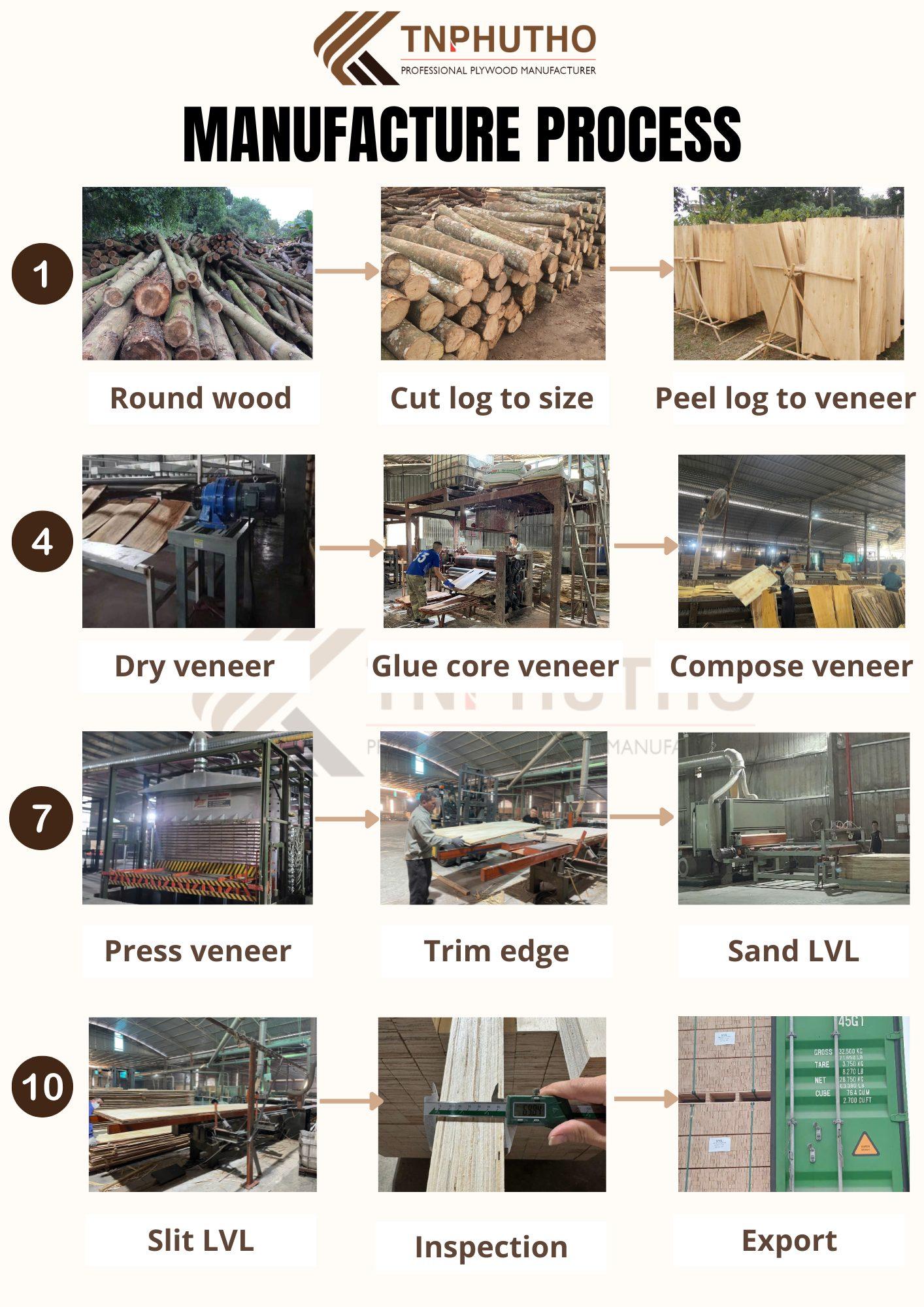
The LVL plywood production process is standardized and strictly controlled to ensure consistent and stable quality.
The process begins with the selection and processing of raw wood, which is then fed into a peeling machine to create thin veneer layers of uniform thickness. These veneer layers are then dried to a standard moisture content, ensuring optimal conditions for glue bonding.
After drying, the veneer is sorted, and any substandard sheets are removed. Standard layers are then coated with specialized glue and arranged in the same grain direction – a crucial step determining the strength and stability of the product.
Next, the veneer layers are fed into a hot press, where they are bonded under high temperature and pressure for a strictly controlled period. This process creates a homogeneous material with strong bonding and high load-bearing capacity.
After pressing, the product is cut to the required specifications and undergoes further finishing steps. Before shipment, all products undergo technical checks such as moisture content, bond strength, and dimensional accuracy to ensure they meet the committed quality standards.
Thanks to its superior mechanical properties and high stability, LVL plywood from TN Phu Tho is widely used in many different fields, especially those requiring materials with good load-bearing capacity and high uniformity.
In the construction industry, LVL plywood is often used as load-bearing components such as beams, girders, supports, or structural floors. With its high load-bearing capacity along its length and minimal deformation over time, the product contributes to improving the safety and lifespan of the structure, while also optimizing structural design.
For the furniture industry, LVL plywood is a suitable choice for frame components such as beds, sofas, tables, chairs, or cabinets. Thanks to its high rigidity and excellent shape retention, the product increases the durability of furniture, limiting warping or structural loosening after prolonged use.
In the packaging and logistics industry, LVL plywood is commonly used to manufacture pallets and export shipping containers. Its excellent load-bearing capacity, high durability, and reusability help businesses reduce transportation and replacement costs while meeting stringent requirements in international supply chains.
Furthermore, the product is used in many other industrial fields where materials with high stability and ease of processing are required, such as as a base for technical products or auxiliary components in manufacturing.
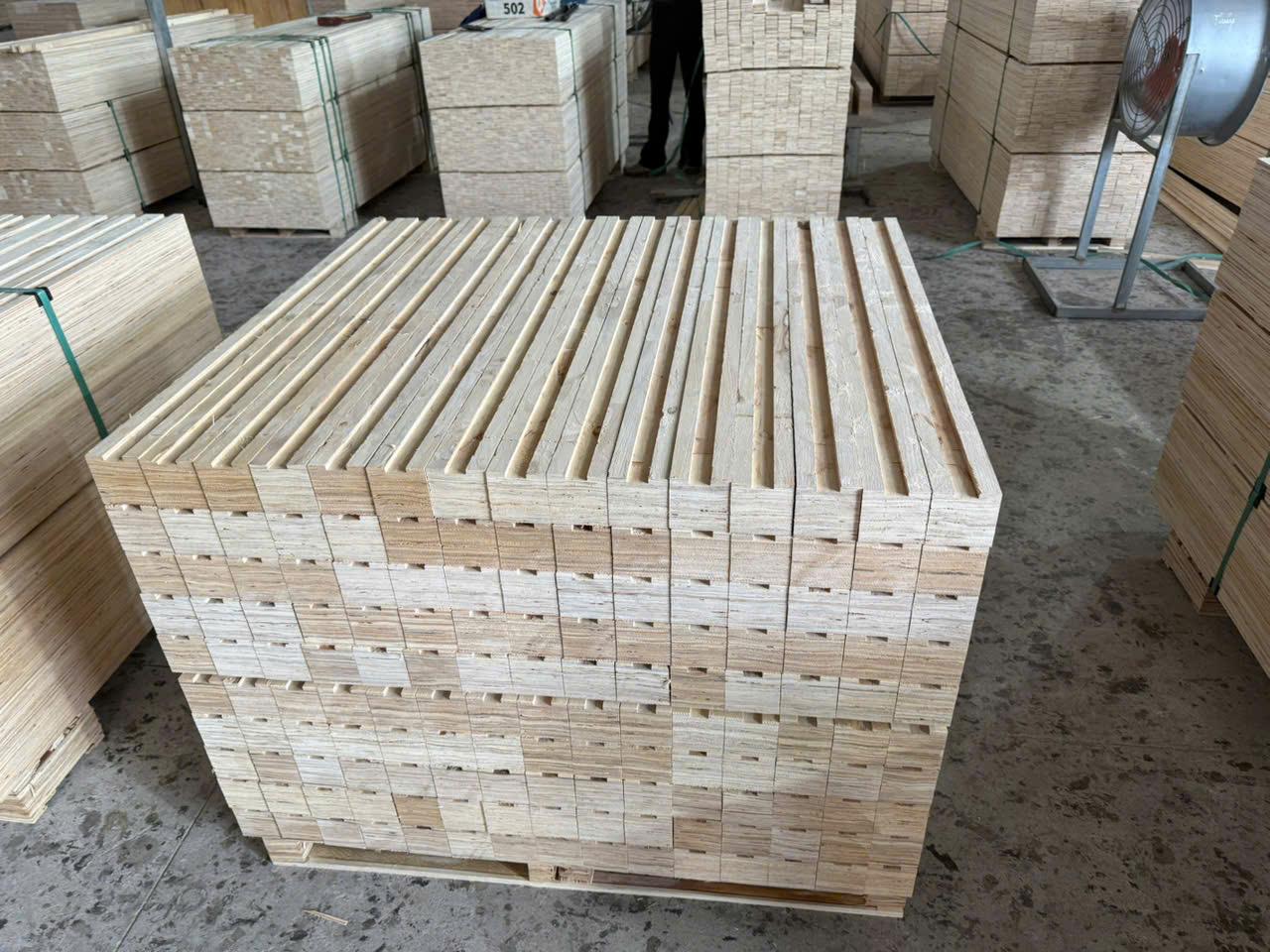
LVL plywood from TN Phu Tho is manufactured in a variety of specifications to meet the flexible needs of customers in many fields:
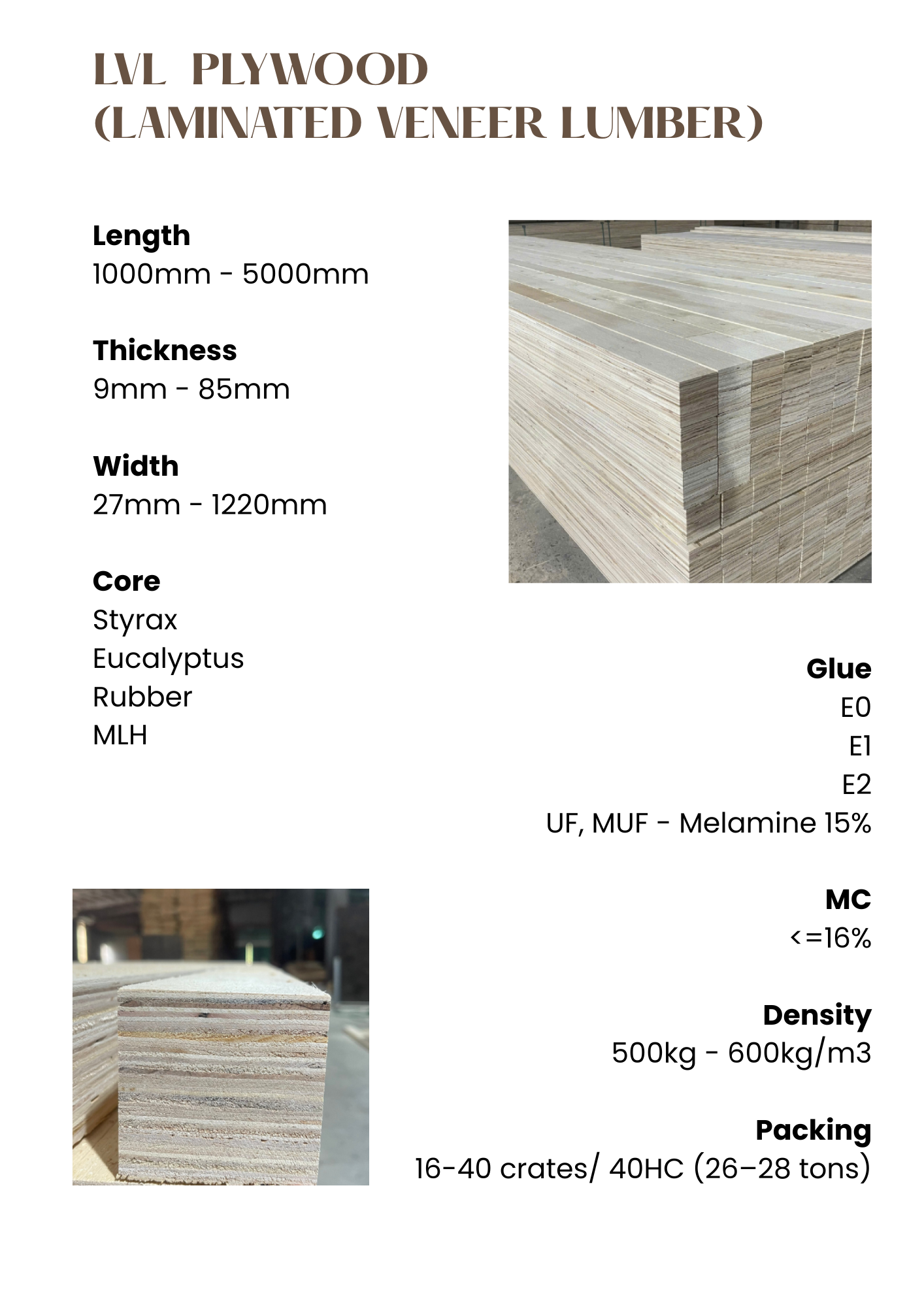
Thanks to its high degree of customization, the product is suitable for both domestic and export markets, meeting various technical standards.
With a focus on sustainable development and quality, TN Phu Tho is committed to providing high-standard, stable, and reliable LVL plywood products. The company continuously improves its technology, expands production scale, and enhances services to better meet the increasingly diverse needs of the market.
LVL plywood is not just a material, but a comprehensive solution that helps customers optimize costs, improve efficiency, and create lasting value in every project.